










































Spotlight on Injectable Antibiotics for Neonatal Sepsis
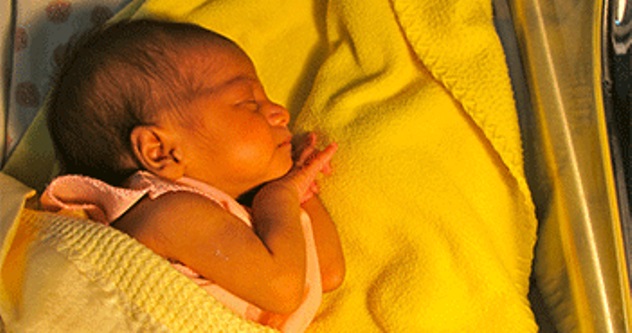
"Injectable antibiotics for newborns remain underutilized and as such, have been identified by the UN [United Nations] Commission on Life-Saving Commodities for Women’s and Children’s Health as one of 13 commodities that if more widely accessed and properly used, could save the lives of more than six million women and children worldwide."
Of the antibiotics identified by the World Health Organization (WHO), four injectable antibiotics are listed for the treatment of neonatal sepsis on the essential medicines list for children. Neonatal sepsis, a serious infection in a newborn, can be treated, as stated in the Demand Generation I-Kit for Underutilized, Life Saving Commodities website: About Injectable Antibiotics, with benzylpenicillin and gentamicin "as first-line therapy for presumptive treatment in newborns at risk of bacterial infection and ceftriaxone delivered alone for the treatment of neonatal sepsis as a second-line therapy." This issue of the "Spotlight" newsletter describes a review of evidence "conducted to analyze and synthesize current key evidence in order to understand the social and behavioral drivers of injectable antibiotics demand and utilization, examine effective practices in implementing demand generation programs, and inform future programming."
Barriers include: late identification of infection; low demand for neonatal health care limiting the use of health services; limited access to media or access to inappropriate messages on care; traditional practices or fatalistic beliefs limiting demand for neonatal care; lack of national policies, including ensuring availability of essential medicines and information on them; and lack of national strategies to address community-based treatment and management of neonatal sepsis by lay health workers.
Demand generation interventions should, as stated here, include:
- the possibility of neonatal treatment by community health workers (CHWs), as has been done in India, Bangladesh, and Nepal, when skilled health workers (SHW) are in short supply;
- home-based management programmes with the following minimum requirements: an enabling policy environment, including policy decisions to implement home-based management, community education and mobilisation; supportive supervision; and strong monitoring and evaluation;
- education of communities about danger signs in newborns and the importance of seeking care and treatment for neonatal sepsis;
- support for additional research in various countries on community management of neonatal sepsis by lay health workers;
- supporting policymakers to reach consensus on the optimal antibiotic treatment for community scenarios; and
- assurance of consistent, adequate, and affordable supply.
I-Kit website, October 14 2014.
- Log in to post comments