










































Reporting on Gender-Based Violence in the Syria Crisis: A Journalists' Handbook
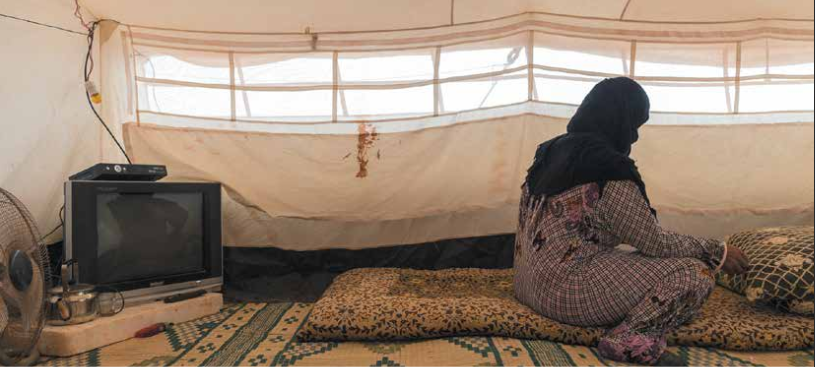
"The media can amplify Syrian women's voices, counteract myths, and stimulate dialogue and action." - Dr. Babatunde Osotimehin, UNFPA Executive Director
This guidebook is designed to assist journalists who are reporting on gender-based violence (GBV) - domestic violence, sexual harassment, rape, sexual violence, and early marriage - in countries affected by the Syrian crisis. Such reporting can entail discussing issues that are often considered "taboo" and "talking publicly about intimate and distressing matters. This can be particularly challenging in countries where tradition and religion play an important role in everyday life. There is often a difference between the way traditional practices are viewed by 'the international community' and by communities themselves..." Reporting on GBV in this context is describing as challenging: "we don't want to cause further trauma to survivors through insensitive interviewing techniques. Yet, if our interviews lack depth or consistency, we may find that allegations can be more easily denied by their perpetrators. This is because journalists can give evidence in certain GBV cases, and evidence collected by journalists can be used in the trials of perpetrators."
Though reporting on GBV can be daunting, this guidebook is premised on the belief that the consequences of ignoring GBV in the media are dire - silence on the issue can contribute to a culture of impunity, deny survivors the media and legal support they need, ensure that GBV stays off the public and political agenda, and so on. Thus, this handbook is designed to help journalists take on this challenging topic, with a particular emphasis on Syria, Jordan, Lebanon, Iraq, Egypt, and Turkey. Developed by the United Nations Population Fund (UNFPA), it sets out to examine some of the terminology, ethical questions, and practical concerns associated with covering GBV, as well as to provide an overview of some of the organisations involved in combating GBV and providing support services for survivors.
Contents include:
- Introduction
- Common Misconceptions about GBV
- Terminology and its Importance
- Defining GBV
- GBV in Humanitarian Settings
- GBV and the Syrian Crisis
- Consequences of GBV
- Ethical Principles
- Story Ideas
- Interviews
- Informed Consent
- During the Interview
- Covering GBV
- Common Mistakes
- GBV and the Law
- Human Rights and GBV
- GBV Programming: Prevention and Response
- GBV Data
- Producing GBV Content: Things to Think About
- Case Study: Child Marriage
- Media Impact
- Approaching Organisations
- Organisations
- Glossary
English and Arabic
40
New Media Development Publications July - December 2015, sent from CAMECO to The Communication Initiative on February 18 2016. Image credit: David Brunetti for UNFPA