











































Reporting on Gender-Based Violence in the Syria Crisis: Good Practices in the Media
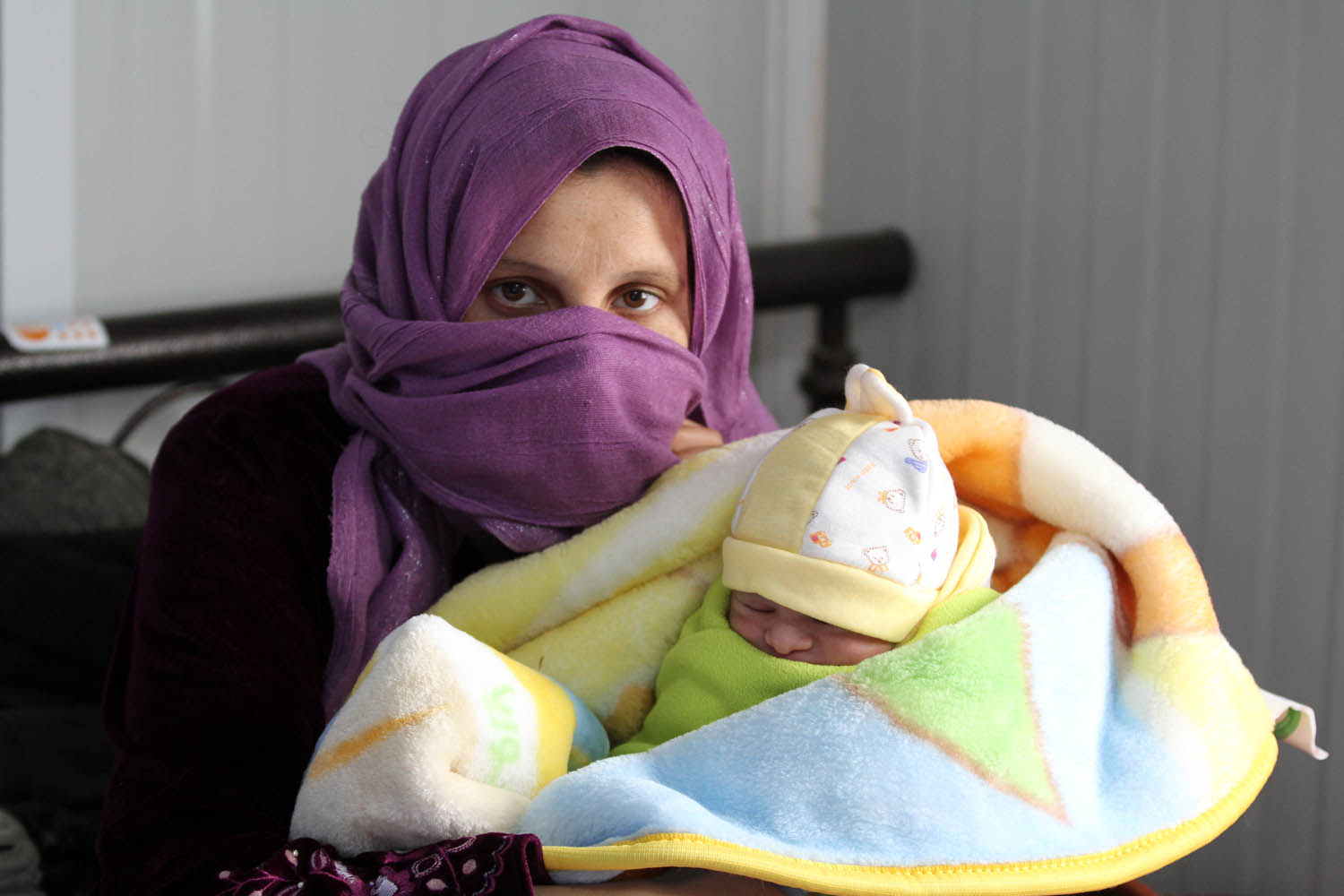
"With regard to gender-based violence, media portrayals can amplify women's voices, counteract myths, and stimulate dialogue and public action. When the media covers the stories of Syrian women, who have often been portrayed as passive victims and objectified as a silent, suffering group, a change in approach that focuses on their rights and dignity can open opportunities for these women to take an active role in forging their own futures. With this goal in mind, we have published a Handbook on Reporting on Gender-Based Violence." - Dr. Babatunde Osotimehin, UNFPA Executive Director
With funding from the United Kingdom (UK) Department for International Development (DFID), United Nations Population Fund (UNFPA) developed this best practices guide for journalists and media professionals as part of the regional gender-based violence (GBV) media programme to enhance the quality of reporting on GBV in the Syrian crisis. According to UNFPA, despite the efforts and engagement of local and regional media in highlighting and denouncing GBV in the 6 countries most affected by the Syrian crisis (Syria, Lebanon, Jordan, Turkey, Iraq, and Egypt), the bulk of coverage still - whether directly or indirectly - attributes stereotypical and predictable social images to women and girls. They are often represented as "victims" of forced and early marriage, who are submissive to an oppressively patriarchal and conservative community. Reports often focus too much on the subjects rather than exposing the full extent of the human rights violations or the underlying root causes that allow these actions to emerge and maintain their prominence in the region.
For UNFPA, the media should seek opportunities to not only provide facts but also to change the situation of women and girls for the better. By promoting a survivor-centred approach, based on the following 9 ethical principles of reporting on GBV in the Syria crisis, UNFPA aims to help journalists add depth to their articles and provide their readers with relevant background information, such as social, political, and economic context in which these conditions exist:
- Accuracy
- Fairness
- Impartiality
- Duty to inform
- Respecting privacy
- Underage interviewee protection
- Sources
- Interviewee payment
- Do no harm
With the goal of demonstrating how these established principles can be evoked and put into practice, the guide offers more information on each of the principles, along with real examples from media reports published between January and October 2015 of good journalism that demonstrate the principle and actions needed. For example, the reader learns that, in "Syria: The Hidden War on Women", a report that reveals unspoken facts about sexual harassment, which is considered taboo in Syrian refugee camps, the writer starts with a geographical and statistical introduction to prepare the readers for sensitive material that details sexual harassment in refugee camps. In the second section of the book, the reader can find full-length articles developed by UNFPA-trained journalists, followed by a brief note highlighting where and how they succeeded in capturing the essence of good GBV reporting. The links to all the articles highlighted can be found at the end of the book. The booklet is intended to complement other materials (e.g., see Related Summaries, below) and be used in workshops, but it can also serve as a self-learning guide for journalists and media producers to use on their own.
Click here for the guidebook in PDF format (English).
Click here for the guidebook in PDF format (Arabic).
English, Arabic
56
UNFPA website, July 28 2016. Image credit: UNFPA Jordan/ Ra'd Addayleh
- Log in to post comments