











































COVID-19 Journalist Guidance: How to Report Accurately on COVID-19 Vaccines
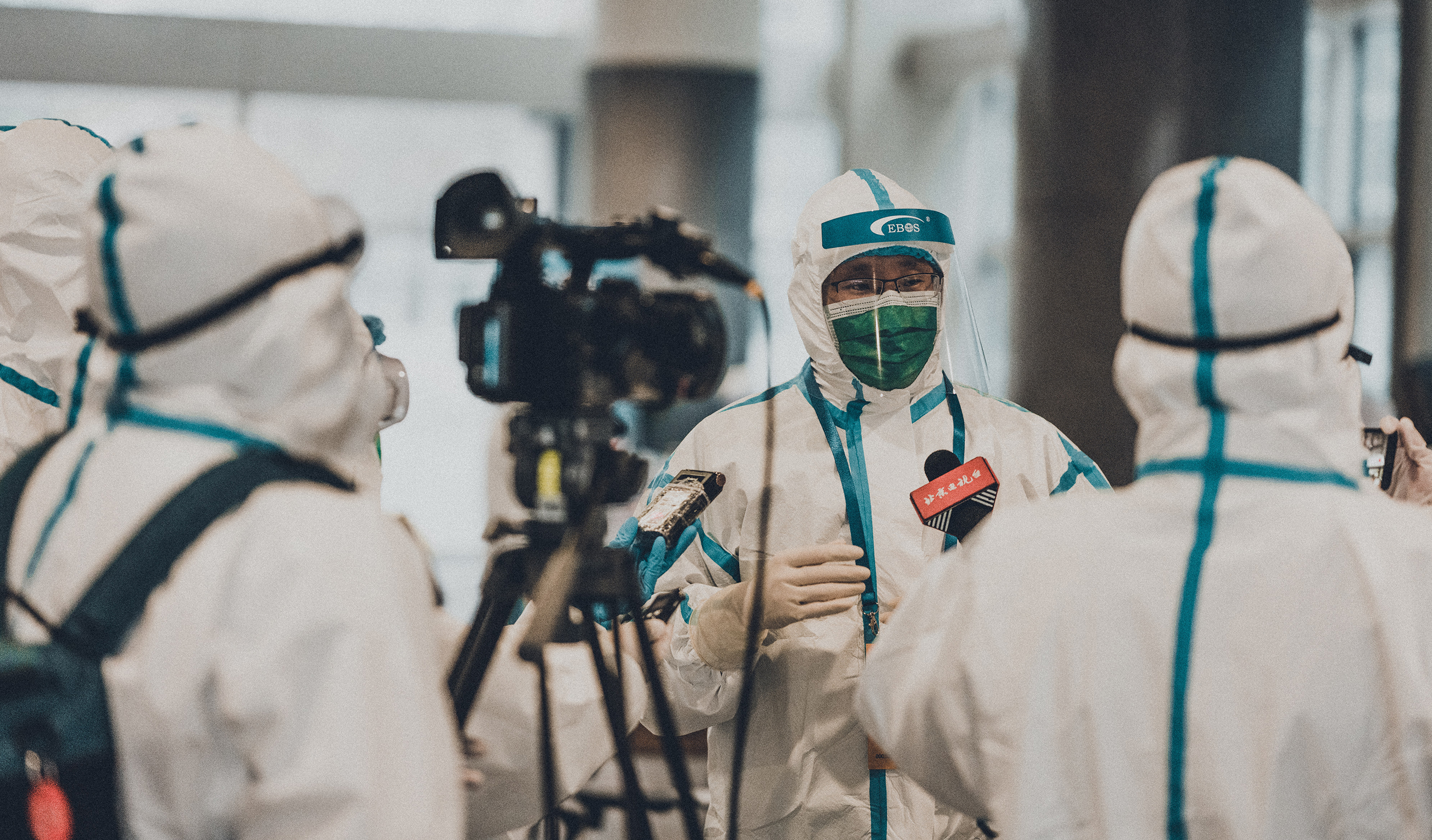
"As the global scientific community edges closer towards discovery of therapeutic and preventive interventions for COVID-19, meaningful engagement between scientists and communities will be critical...The media play an essential role in helping communities make sense of unfolding developments..."
From Internews, this guideline explains terminology and scientific research and progress on COVID-19 vaccines to assist journalists reporting on the issue. It covers what a journalist needs to know, with sections such as:
- Speeded-up trials
- Vaccine nationalism
- Operation Warp Speed
- The COVAX Facility
- Questions that need to be addressed that relate to vaccine access
- Q&A about COVID-19 vaccines
One section shares specific strategies for reporting on the issue, advising journalists to:
- Explain clearly what is known and what is still unknown about vaccines, refraining from drawing one's own conclusions for a catchier headline.
- Rather than basing reporting on pressers from vaccine developers, ask to read the original research paper, and consult with impartial experts not involved in the study.
- Keep up to date with the latest information, checking the progress of the vaccine clinical trials at this database, which was developed by the United States (US) National Library of Medicine.
- Explain the vaccine production process, and give examples that your audience can relate to (e.g., routine vaccines used to immunise people in your country, such as measles or polio).
- Ensure your reporting responds to the questions and concerns your audience has, developing and supporting channels that allow them to easily ask more questions - and listen.
- Explain that strong health systems, adequate testing capacity, and access to a safe and effective, universally available vaccine will be key to protecting societies from COVID-19.
- In the interest of public service journalism, pressure health authorities to ensure that conditions for global, equitable, and affordable access to COVID-19 vaccines be built into any vaccine development programme from the start.
- Advocate for economically poorer countries to be included in immunisations.
- Do profiles to showcase and humanise the work of researchers, in light of the fact that showcasing scientific research helps improve science literacy in communities and prevent the spread of rumours and pseudo-science.
- Tell vaccine trial participants' stories, if possible, or talk to participants from past trials for great human interest stories.
English, Arabic, Dari, French, Spanish
8 (English); 17 (Arabic); 23 (Dari); 9 (French, Spanish)
Internews website, November 18 2020. (Opening quote, above, is from Internews' "Understanding the Role of Africa in COVID-19 Vaccine Research".) Image credit: Tedward Quinn on Unsplash
- Log in to post comments