










































Ikike Umunwanyi Na Omumu (The Reproductive Rights of Women)
During each show, resource people from the health sector gave information on various topics, including: the meaning of reproductive rights, cultural practices that adversely affect those rights, rape and female genital cutting as infringements of those rights, safe motherhood and maternal mortality, family planning, sexually transmitted infections (STIs), reproductive tract infections, and menopause. At the end of the each programme, the presenter provided a phone number and a postal address to obtain feedback from listeners.
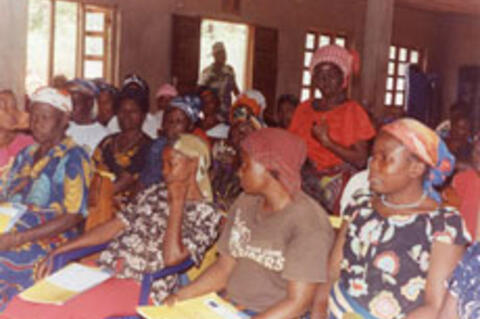
The programme also made use of listening clubs for discussion and feedback. Listening clubs were set up in 6 communities via the formation of Women's Reproductive Rights forums, where participants would discuss reproductive rights concerns and set various topics for each discussion. From these forums, smaller listening clubs were formed with women who were able to commit to listening to the programme. Each club received a radio with batteries, writing materials, and cassette tapes so that they could record the programme for playback later. Clubs met for each broadcast, discussed the content, and wrote a joint report. Each month, WINET collected the reports.
Reproductive Health, Women, Rights.
According to the organisers, feedback from the listening groups, as well as phone calls or letters from listeners, showed that the programme enjoyed a high listenership. Comments came in from men, women, and young people in particular. By the end of the programme, the organisers believe that approximately one million women and other radio listeners acquired increased knowledge of women's reproductive health rights.
Ikike Umunwanyi Na Omumu was part of a 3-year project entitled "Media Advocacy on Women's Reproductive Rights in Enugu State, Nigeria" which was funded by the European Union.
Dimitra Newsletter [PDF], No. 14, March 2008; and WINET website, January 27 2010.
Comments

through the radio
personally i think that in this age and time when people have more access to the radio rather than the internet or t.v, the radio is a welcome development. but i would like to suggest that the programme be aired later in the day when people have come back from the farm and are relaxing.
- Log in to post comments