










































HIV/AIDS Vulnerabilities, Discrimination, and Service Accessibility among Africa’s Youth: Insights from a Multi-country Study
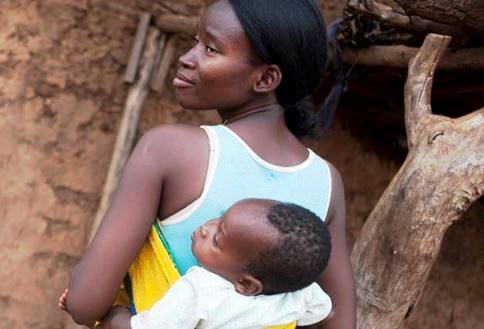
"At the individual level, youth lack access to appropriate SRH [sexual and reproductive health] information and confidential, low-cost, and stigma-free SRH services. Institutional responses are hampered by sociocultural sensitivities to youth premarital sexual activity, inadequate provision of sexuality education, and limited geographic and target population reach of current youth-focused programming. There continue to be few youth-specific policy provisions, which are hindered by weak political commitments and inadequate resourcing for implementation."
These are some of the key insights outlined in this 64-page report discussing the findings of a study conducted in Egypt, Kenya, Nigeria, Senegal, South Africa, and Uganda regarding HIV risk-taking and health-seeking behaviours among young people. By providing an examination of the HIV prevention and impact mitigation issues facing young people in these countries, the report seeks to uncover gaps in ongoing HIV prevention programmes for young people on the continent. Based on these findings, it recommends a number of key strategic actions for making the HIV response more relevant and effective for young people, including the types of communication, advocacy, and economic empowerment interventions and operations research that are needed.
The study is intended to inform the Population Council's development of more effective policies for reaching youth and meeting their needs, including insights and evidence for better planning, designing, allocating resources to, and evaluating policies and programmes that address the HIV vulnerabilities of youth across Africa. It is based on qualitative methods, such as focus group discussions, in-depth interviews, key informant interviews, and quantitative data gathered from national HIV/SRH-related survey datasets.
The study found that there are many legal and policy gaps around youth and HIV/SRH that need to be addressed. For example, there is still the need to: domesticate key international and regional protocols; ensure that there is adequate enforcement of protective provisions; and remove repressive laws affecting stigmatised and vulnerable groups. "Across all countries, most survey respondents thought that existing laws and policies did not promote the well-being of young people involved in sex work, injecting drug use, same-sex practices, and street families." As well, national AIDS and related policies make very few references to youth-specific and youth-centred provisions.
The report also discusses factors associated with sexual risk and health seeking behaviours. It was found that those aged 20-24 years were slightly more likely to have comprehensive knowledge of HIV than young people aged 15-19 years. Education and wealth were significantly associated with comprehensive knowledge. However, overall it was found that comprehensive knowledge of HIV is poor, and a cause for concern, given that knowledge influences beliefs and perceptions related to HIV prevention. This is particularly important, as there are high numbers of sexually active youth, with many young people involved in multiple sexual partnerships. While many respondents identified SRH as very important, "youth overwhelmingly felt powerless to adequately respond to their HIV and SRH vulnerabilities because of inadequate knowledge, issues with service providers and set-up of services, and livelihood struggles. Respondents often mentioned service-provider issues such as stigmatizing attitudes and a lack of confidentiality and competence as deterrents to young people’s seeking HIV and SRH services, especially in public health facilities."
The study also found that there is little meaningful participation by young people in different stages of SRH and HIV programming (design, implementation, and evaluation). Involvement rarely goes beyond planning-stage consultations and provision of peer education/counseling. As well, with the exception of South Africa, participation by the most vulnerable populations in policy consultation and programme development is close to zero. "Overall, the lack of youth involvement is a major concern to young people, who feel that this is a serious gap in the system."
Based on the findings of this study, the following strategic actions are recommended in the report:
- "Improving sexual-health-seeking behaviours, especially uptake of HCT [HIV Counseling and Testing] by male youth and condom use by female youth, through a combination of youth-empowering communication and poverty-reduction interventions is imperative.
- Evidence-based advocacy needs to be targeted at policymakers and donors to drive greater attention to the youth dimensions of the HIV epidemic, especially in relation to neglected vulnerable youth.
- Innovative operations research is called for to better understand how to increase the meaningful involvement of young people in the conception, planning, and implementation of SRH and HIV/AIDS policies and programs.
- Efforts to promote the mainstreaming of youth-friendly SRH and HIV services are required given the challenges of scaling up and sustaining the few model standalone services provided largely by NGOs.
- Systematic domestication of key international regional protocols to align to individual country contexts needs to be advocated for aggressively.
- Alignment of civil, religious, and customary laws to ensure laws and policies are not contradictory needs to be fully explored. The effective implementation of youth-specific laws and policies remains a challenge requiring multisectoral and multilevel actions, including increased funding.
- National AIDS coordinating agencies must live up to their oversight function in ensuring that young people are not neglected in national HIV policies and programs.
- Governments need to increase funding and demonstrate ownership and sustainability of youth-based HIV programs."
Population Council newsletter of December 2014 and Population Council website on July 7 2015.
- Log in to post comments