










































What Was the Role of the Debate Programme Sema Kenya in the 2013 Kenyan Election?
BBC Media Action
"Where geography, poverty and lack of infrastructure make face-to-face interaction between disparate communities difficult, media can play a vital role in connecting these groups and in national debates on governance."
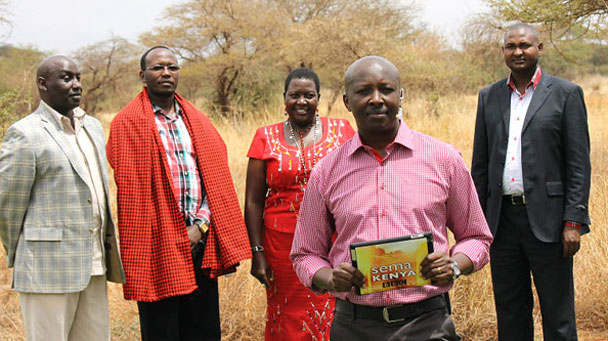
This research briefing discusses the impact of Sema Kenya, BBC Media Action's national radio and television debate programme in Kenya, and its role in the 2013 elections. It summarises the findings of a BBC Media Action research report by providing both programme context and key results. (See Related Summaries below.)
Context: "Sema Kenya, a panel discussion programme led by questions from a live audience, was launched in 2012..." as a broadcast on BBC Swahili service, KBC (Kenya Broadcasting Corporation) and a range of other local and national radio stations. The format consisted of dialogue between audience members and leaders from different parts of the country to provide diverse and sometimes opposing viewpoints in order to raise discussion across the country through on-location weekly broadcasts in 13 different counties in order to:
- "Create a national conversation to help to rebuild trust in the democratic process in Kenya
- Play an 'inform and educate' role, by improving audiences’ access to reliable, trustworthy information and increasing their knowledge on the new constitution, the implications of devolution and the electoral process
- Increase the diversity of views in public debates in ways that inform national and community discourse rather than incite hostility among communities"
Results: The research on the 2013 elections showed that, unlike the 2007 elections, "in 2013 the media responded to pressure from authorities, from within the media sector itself and from citizens to support a peace agenda, which resulted in considerable self-censorship. [However,] ...the media and governance experts and many audience members ...interviewed said this resulted in the media’s abdication of its responsibility to interrogate issues fully and challenge leaders." It showed that voters relied on the media for election information and found it helpful in explaining election procedures and candidates’ positions, radio being the top information source. However, experts found a lack of depth in coverage on issues and an over-emphasis on "personality politics", as well as a failure to serve all segments of the population.
Specific findings on Sema Kenya include: Nearly a quarter of the population of Kenya had watched or listen since its inception; the audience largely reflects the population demographics of Kenya; and more than 2 million people access it regularly (at least every other episode). Research participants stated that the programme provided access for questioning leaders, supported by information on the right to ask questions, as well as on sanctioning leaders by not re-electing them. "Such accountability is vital for good governance, and supporting it is a programme goal. However, questions remain about how far such a programme can foster accountability and hold to account under-performing leaders." Further research is planned to study long-term impacts beyond individual-level evidence.
Key findings include the following:
- "Audience involvement may have contributed to people feeling they had more of a stake in the process and a responsibility to fulfil their role in elections
- Sema Kenya gained credibility because people discussed the issues that affected them directly - information was seen to be reliable because it was 'coming from people’s mouths'
- People noted that very diverse live audiences (in age, gender and ethnicity) were brought together in constructive dialogue, which can support peace and inclusion
- The programme increased awareness of an individual’s right to question and may have increased their confidence to question those in power
- Sema Kenya’s audience frequently describe it as 'informative' and 'educative', reinforcing the value they placed on its educational content, while experts described the programme’s role as one of 'sensitisation'"
BBC Media Action website, June 11 2014, and email from Anna Godfrey to The Communication Initiative on July 2 2014.
- Log in to post comments