










































Youth-friendly Health Services Training Manual: Second Edition
"Young people have unique health needs and a huge potential for healthy personal development. However, communities, health providers, facilities, and young people themselves are often unaware of how best to promote health among adolescents and youth."
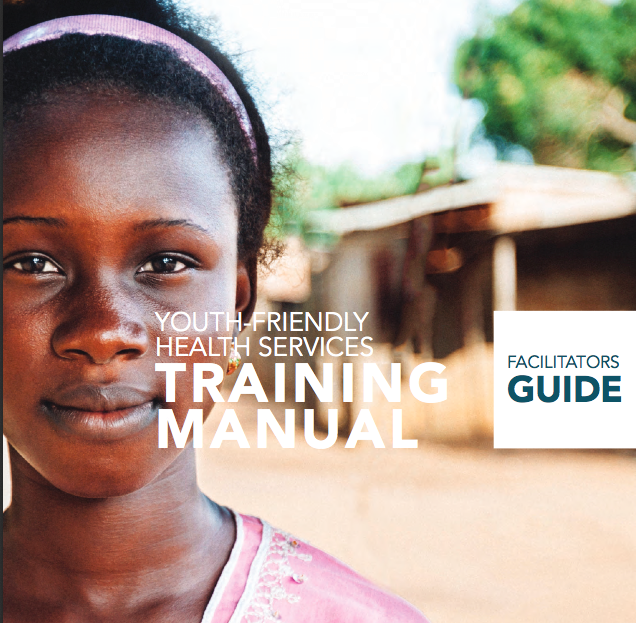
This updated Youth-friendly Health Services Training Manual, developed by the Ministry of Health in Malawi with support from Health Policy Plus (HP+), aims to improve the way service providers respond to the needs of young people and improve providers' ability to communicate with other stakeholders to improve young people's health. The manual, which includes a facilitator's guide and participants' handbook, is intended to be used for training health care providers and other professionals (such as psychologists, social workers, teachers, youth development workers, community-based distribution agents, and youth peer educators), as well as young people themselves, on the special characteristics of young people and the appropriate approaches to address priority health needs.
The training package is expected to be implemented as a standalone five-day workshop, and is designed to help participants to:
- Become more knowledgeable about the characteristics of young people, their needs, and aspects of youth health and development;
- Gain skills in effective communication with young people; challenge their own attitudes affecting their capacity to deliver services to young people; and acquire an understanding of laws, policies, and standards for youth-friendly health services (YFHS) delivery;
- Be better equipped with facts and figures to argue for increased investment in young people's health and development;
- Be better able to provide health services that respond to young people's needs and be sensitive to their preferences; and
- Prepare a personal plan to carry out the changes they will make in their work with and for young people.
In practical terms, the training package will provide participants with ideas and practical tips to answer two fundamental questions:
- What do I, as a health-service provider, need to know and do differently if the person who walks into my clinic is 16 years old, rather than 6 or 36?
- How can I help other influential people in my community understand and respond better to the needs and problems of young people?
As explained in the manual, the first edition of the Training Manual was developed in 2011 to ensure that service providers fully comply with the minimum health package of the national standards and increase young people's acceptability and use of these services. A recent evaluation of the YFHS programme revealed that only 31.7% of young people have heard of YFHS and 13% have ever used these services. Poor provider attitude was cited as one of the main barriers to the programme's use (E2A Project and University of Malawi, 2014). In response, and in recognition of emerging trends in youth and adolescent sexual and reproductive health (SRH), the training package was revised. The second edition was also developed in line with the World Health Organization (WHO) definition of YFHS competency as having three domains: (1) basic concepts in adolescent health and development, and effective communication; (2) law, policies, and quality standards; and (3) critical care of adolescents with specific conditions.
Both the Facilitator's Manual and the Participants' Handbook are divided into the following units:
- Unit 1: Getting started and basics
- Unit 2: Adolescence and public health
- Unit 3A: Introduction to sexual and reproductive health and young people
- Unit 3B: Pregnancy prevention and fertility regulation in young people
- Unit 3C: Care of adolescents during pregnancy and childbirth
- Unit 3D: Unsafe abortion and young people
- Unit 3E: Sexual and physical abuse and young people
- Unit 3F: Sexually transmitted infections and young people
- Unit 3G: HIV and AIDS and young people
- Unit 4: Nutrition and young people
- Unit 5: Substance abuse and young people
- Unit 6: Mental health and young people
- Unit 7: Providing young people with the health services they need
For each topic, the guide offers an introduction, suggested activities (such as role-plays), video clips, and handouts.
English
314 (Facilitators Guide) and 200 (Participants Handbook)
Health Policy Plus website on November 13 2017.
- Log in to post comments