










































Why Information Matters: A Foundation for Resilience
Internews Center for Innovation and Learning
“You can make a system work better with surprising ease if you give it more timely, more accurate, more complete information.” - Donella Meadows, Thinking in Systems
This report, published by the Internews Center for Innovation and Learning and Rockefeller Foundation, explores the role that information ecosystems play in the resilience of communities that are adapting to various forms of change. It addresses the importance of information in a community’s ability to evolve in the face of continuing change, and looks at factors that are not commonly considered when studying resiliency: the information needs of a community; how information is produced; how information is shared; and social factors such as power dynamics and trust. According to the report, fully appreciating these factors is critical to a more nuanced understanding of the combined impact of media, communication, information flow and information technologies – an information ecosystem - in a given social context. The report introduces information ecosystems as a new paradigm: "Information ecosystems broadly refers to a loose, dynamic configuration of different sources, flows, producers, consumers and sharers of information interacting within a defined community or space.”
As stated in the report, the broad concept of an information ecosystem offers the potential of understanding the complex nature of information and provides decision-makers with the ability to access information as a resource for the health of small and large populations. It can be applied to multiple scales, from the local to the municipal, to the regional, and beyond. It offers opportunities for an individual citizen to participate in local resilience efforts, and it can foster strategies that empower existing relationships within a community and help them grow.
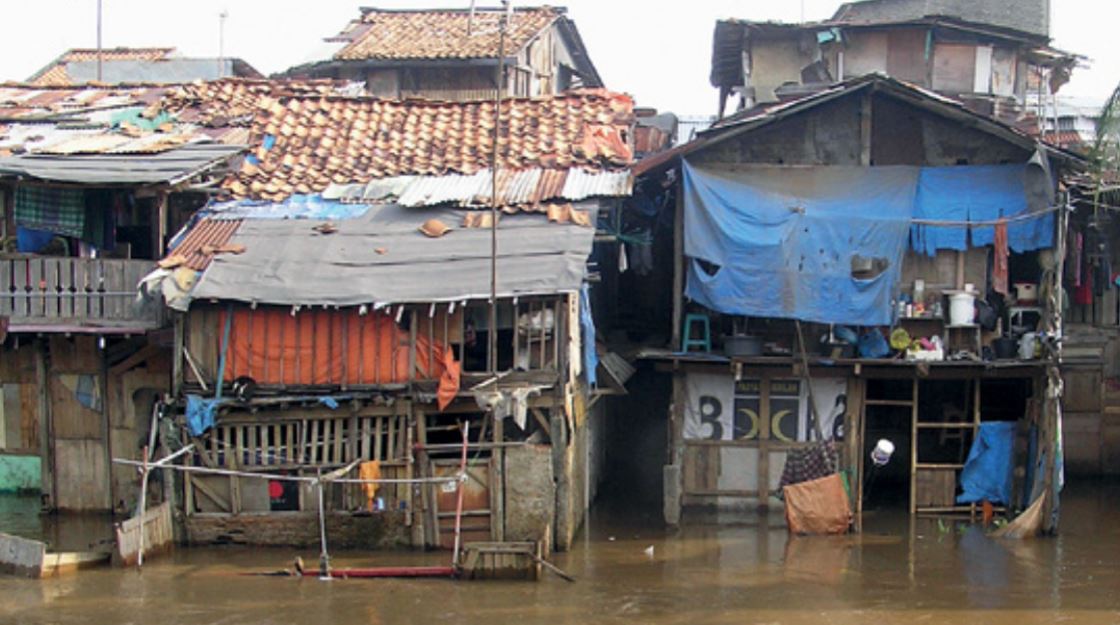
Why Information Matters applies the framework of information ecosystems to four real-world case studies of disruption and change in Pakistan, Jakarta, Japan and Myanmar. Each case study provides different levels of economic disruption, underlying stress factors, and types of change, including acute disaster and slow-onset crises. The case studies also demonstrate that weaknesses in information ecosystems can undermine a community’s resiliency.
Findings:
- Information should be relevant and suited to the needs of the community. Agendas set by the government or media producers that are too broad or too sensational run the risk of failing to tell people what they need to know.
- Effective information flow takes place at a community, person-to-person level. While radio and television can be important forms of communication, many people receive their information from community leaders, local administration officials or door-to-door conversations.
- The lack of coordination between agencies and media producers can lead to an inefficient or overlapping flow of information. Coordinating outreach strategies can provide a more timely and effective sharing of critical news.
- Improving the flow of information is not just about finding new tools and technologies but also about identifying ways of better using existing means of communication, especially person-to-person. While social platforms such as Twitter and Facebook can be effective, they are also subject to breakdowns with high loads in crisis conditions.
- Information should be available through different mediums. The greater dependency a community has on high tech tools, the less resilient they become. Developing countries often rely on SMS messaging and television broadcasts to relay information yet in times of disaster these networks often fail first.
- The way information is used can be dependent on how a source is perceived or trusted. If a source is tied to politics a community may feel the information is tied to a particular agenda or bias.
The report concludes that information ecosystems will continue to evolve and adapt according to the changing needs of communities, and larger shifts in the way people communicate. Understanding how information ecosystems look and work now, as well as how they might look and work in the future, will help prepare communities to survive in a rapidly changing world.
Internews website, March 11 2016.
- Log in to post comments