










































Voluntary Medical Male Circumcision (VMMC): Demand Creation Toolkit
Image
SummaryText
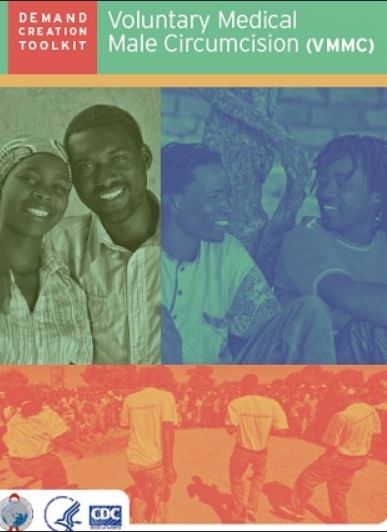
This toolkit is designed to provide implementing partners and organisations with the guidance and tools needed to conduct communication and outreach activities that drive demand for voluntary medical male circumcision (VMMC). As stated in the toolkit, it "provides a step-by-step process to turn communication strategies into demand creation campaigns" and is meant for use at the national, regional, and local levels by Ministries of Health, nongovernmental organisations (NGOs), and other implementing partners responsible for creating demand for VMMC.
"The strategy for demand creation outlined in this toolkit addresses three broad audience groups:
The toolkit was developed by RTI International and Population Services International (PSI) with content and editing input from the Centers for Disease Control and Prevention, HIV Prevention Branch, Health Communication Office. The research was supported by the President’s Emergency Plan for AIDS Relief (PEPFAR) through the Centers for Disease Control and Prevention (CDC).
"The strategy for demand creation outlined in this toolkit addresses three broad audience groups:
- Married and unmarried males aged 15 to 49 years at risk of acquiring HIV infection through heterosexual (vaginal) intercourse
- Married and unmarried females aged 15 to 49 years, including the sexual partners of males aged 15 to 49, who can influence males’ decisions about VMMC
- Key influencers, such as male peers, community leaders, spiritual leaders, celebrities, or others at the community, regional, and/or national levels, who can encourage males to consider VMMC."
The toolkit was developed by RTI International and Population Services International (PSI) with content and editing input from the Centers for Disease Control and Prevention, HIV Prevention Branch, Health Communication Office. The research was supported by the President’s Emergency Plan for AIDS Relief (PEPFAR) through the Centers for Disease Control and Prevention (CDC).
Publication Date
Languages
English
Number of Pages
205
Source
The Health COMpass website on February 6 2014.