











































Strengthening HIV/AIDS Response Partnership and Evidenced-based Response (SHARPER)
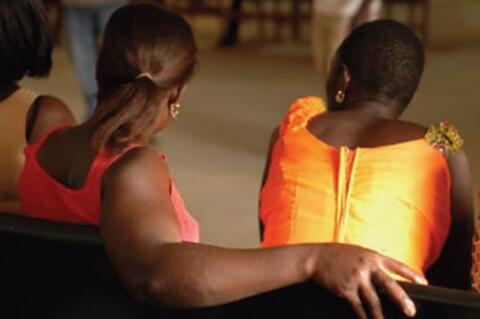
The project operates in 30 high HIV prevalence districts across Ghana and aims to reach 178,000 individuals at risk of or living with HIV with key health behaviour messages and improved access to health services. SHARPER works directly with female and male sex workers, men who have sex with men, people living with HIV and their sex partners to:
- improve their knowledge, attitudes, and practice of key health behaviours including HIV prevention;
- increase use of HIV counselling and testing, sexually transmitted infection screening/treatment, and HIV care and treatment services; and
- strengthen the human and institutional capacity of MARP and PLHIV programme implementers and coordination bodies.
According to FHI360, gender norms play a critical role in how women and men at risk of and living with HIV communicate, access services, and are able to lead healthy, confident lives. SHARPER is working with women living with HIV and female sex workers to build their leadership and negotiation skills so they are in a position to better protect and support themselves and their female peers.
Part of the initiative, led by Catholic Relief Services Ghana, was to use a community-based approach to promote voluntary counselling and testing among the focus populations including marketing to young people and employing a vigorous community campaign to reduce stigma and discrimination against people living with HIV/AIDS. CRS used behaviour change communication (BCC) approaches to address stigma and discrimination both at the community and health facility level.
A significant component of SHARPER is to build local capacity in HIV programming. SHARPER supports local non-governmental organisation (NGO) partners to assess their organisational capacities, prepare organisational development plans, and receive mentoring in areas such as human resource management, administration, and finance, planning, and resource development. Through partnership with the Ghana AIDS Commission, SHARPER is helping to better map and respond to the prevention and health needs of MARPs. It is also introducing quality improvement (QI) measures to establish care standards and lift the quality of the national MARPs programme.
Another SHARPER initiative is using mobile technology to encourage increased adherence to antiretroviral therapy (ART) among people living with HIV. Launched in November 2011, LifeLine is a daily SMS text system to motivate people living with HIV and remind them about their treatment. The intervention uses information and communication technologies to complement the work of peer educators and health workers. Text messages sent out during the week are later discussed during support group meetings, which help to reinforce information and share the messages with those who do not have access to mobile phones.
HIV/AIDS
SHARPER builds on work previously done under the Strengthening HIV and AIDS Response Partnerships (SHARP) programme, which ran from 2004 to 2009. SHARPER combines interventions shown to be effective under SHARP1 with new approaches that motivate MARPs, PLHIV, and their partners to adopt healthier behaviours.
FHI360 Ghana, Catholic Relief Services, EXP Momentum, Opportunities Industrialization Centers International, Social Impact, Ghana Network of Persons Living with HIV, Ghana HIV/AIDS Network, Ghana AIDS Commission, National AIDS Control Program, and a consortium of 33 local NGOs.
SHARPER Activity brief[PDF], SHARPER Fact Sheet[PDF], and FHI360 website, on September 4 2013.
- Log in to post comments