










































Service Communication Implementation Kit: Integrating SBCC into Service Delivery Programs
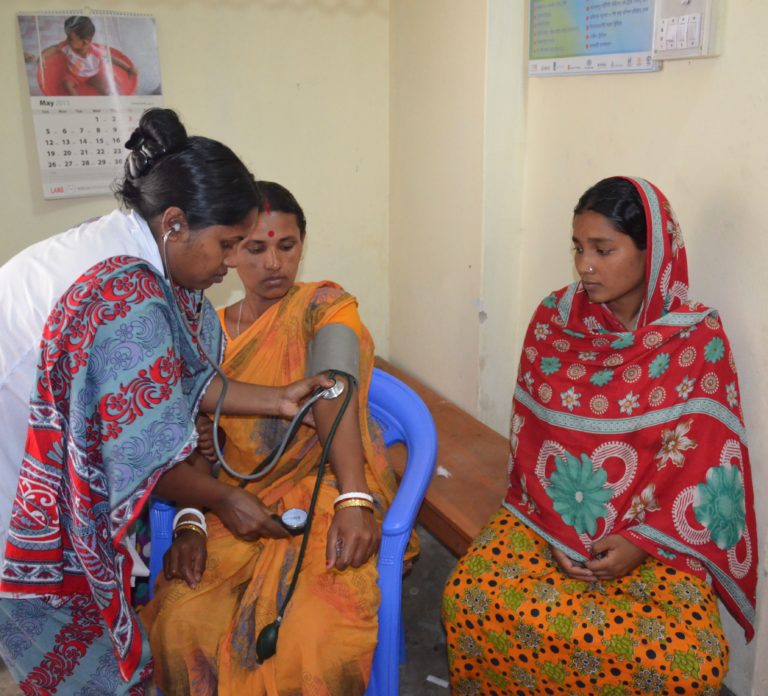
"Learn how to design and integrate social and behavior change communication (SBCC) into all stages of the service delivery process. Enhance service delivery and ultimately improve health outcomes by using SBCC before, during and after the clinical encounter."
Service communication is the use of social and behaviour change communication (SBCC) processes and techniques to motivate health service-related behaviours among intended audiences across the continuum of care. The purpose of the Service Communication Implementation Kit (hereafter referred to as "the I-Kit") from the Health Communication Capacity Collaborative (HC3) is to help service delivery project managers (and their SBCC counterparts) understand key service communication concepts, apply SBCC techniques to create successful communication activities, and learn how to better coordinate efforts with SBCC projects.
HC3 explains that the primary objective of service communication is to compel the intended audience to act: to publicly support an available service, to talk to their partners and friends about the benefits of a service or health intervention, to adopt or maintain a behaviour, to provide high-quality counseling, or to visit a clinic. In most cases, just sharing information is not enough to get people to go for services.
The I-Kit contains:
- Background information to help users understand key service communication concepts, programmatic approachs and the evidence for using service communication;
- Step-by-step design guidance on designing SBCC activities and materials in a health service context;
- Coordination guidance that highlights key principles and models for effective coordination between service delivery and SBCC partners;
- Case studies that showcase examples of projects that have successfully used service communication to improve servce outcomes; and
- Worksheets and resources to help users apply service communication principles and learn more about service communication.
The I-Kit is organised into 4 sections:
- Learn - an overview of the I-Kit's content, purpose, and rationale and a summary of the evidence for SBCC in services;
- Designing SBCC for Health Services - key principles and step-by-step guidance on successfully designing communication activities for health services;
- Operational Considerations - tips and guidelines on how service delivery and SBCC partners can effectively work together in a variety of implementation scenarios; and
- Case Studies - 5 illustrative case studies describing how key SBCC principles have been successfully applied to service delivery programmes.
Users can choose to receive a certificate upon completion of the I-Kit.
"New Service Communication I-Kit Helps Motivate Health Service-Related Behavior Change", by Heather Hancock, September 30 2016 - accessed on October 13 2016. Image credit: HC3