










































The Role of Traditional Leadership Preventing Violence Against Women
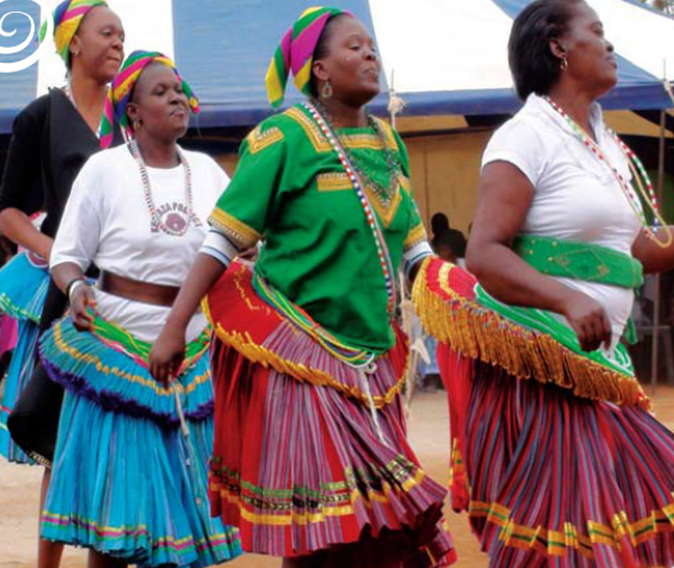
This 4-page fact sheet, published by the Southern Africa HIV and AIDS Information Dissemination Services (SAfAIDS), outlines how traditional leaders and traditional institutions can facilitate positive change in local communities working to address HIV and violence against women. The fact sheet states that despite undeniable evidence that shows the linkages between violence against women and HIV, traditional leaders’ potential to actively participate in HIV prevention activities and projects to eliminate violence against women remains untapped.
In addition to the formal links that traditional leaders have with ruling governments, traditional leaders preside over customary law courts and exercise legislative power in many communities. Customary laws however, are typically influenced by values and beliefs that are inclined to normalise violence against women. As custodians of culture, traditional leaders have the influence to alter underlying values and beliefs that are detrimental to community members. Such values and beliefs include inequitable gender roles that lead to culturally sanctioned gender-based violence. The fact sheet goes on to outline how violence against women is not only a human rights violation, it also increases women's vulnerability to HIV Infection.
The fact sheet mentions that traditional leaders also have a wide reach in their communities through various traditional fora. Such opportunities can be used to inform community members of the adverse impact of violence against women and HIV. For this reason, their influence should be used to encourage protective practices and advocate for women's rights and to address violence against women and HIV by minimising risky practices that exacerbate vulnerability to HIV.
Among others, the fact sheet outlines the following communication related recommendations for governments, civil society, and traditional leaders:
Recommendations for governments include:
- engage and support traditional leaders to empower women and inform their communities about the laws and penalties relating to violence against women;
- link traditional leaders with the justice system, the police, social services, and health systems in order for them to deal effectively with perpetrators and compassionately with survivors of violence against women; and
- scale up knowledge of traditional leaders on the link between gender-based violence and HIV.
Recommendations for civil society include:
- promote the meaningful involvement of traditional leaders including conceptualising and implementing projects in their communities to address violence against women and HIV;
- work with female traditional leaders to sensitise communities, they can be engaged in HIV education, particularly for young girls;
- strengthen capacity of traditional leaders to educate about the connections between violence against women and HIV; and
- where appropriate, use cultural ceremonies for HIV, sex, and rights education.
Recommendations for traditional leaders include:
- become informed of HIV and its linkages to violence against women;
- protect women against violence by enforcing traditional sanctions and laws in traditional court structures; and
- encourage open discussion of cultural beliefs and practices in the community as a way of identifying those that minimise risk to HIV and those that deter violence against women and protect against HIV.
The fact sheet concludes that there is ample evidence supporting the effectiveness of partnering with traditional leaders to support HIV prevention efforts by ending violence against women. Unless custodians of culture look critically at their cultures and modify them to uphold the rights of all people, including women, and address current challenges such as HIV, women will remain the face of HIV and AIDS. Further, HIV will continue to have devastating effects on communities.
SAfAIDS website on September 28 2011.