










































Radio Sila
Internews initiated Radio Sila as a response to the large numbers of refugees and IDPs in Goz Beida. Most of these refugees rely on support from the international aid community, while local host populations live in chronic economic poverty with little access to healthcare, sanitation, and food security. The station works to help create a sense of community between Sudanese refugees and IDPs who share many of the same challenges, focusing on topics such as water shortages and fuel wood restrictions, violence against women, and access to health care and education. The station also works to address emerging hostilities towards the relief community by the host population, hopefully thereby diffusing tensions and providing a forum for the international community to respond quickly to unforeseen challenges.
According to Internews, soon after its first broadcast, Radio Sila became the only means of mass communication and socialisation for humanitarian organisations delivering aid and protection to populations fleeing the conflict in neighbouring Darfur or border Chadian villages. The programmes produced by Radio Sila are designed to inform and empower listeners, enable families and friends separated by the crises to maintain human bonds across the border, and provide practical information about resources and opportunities available.
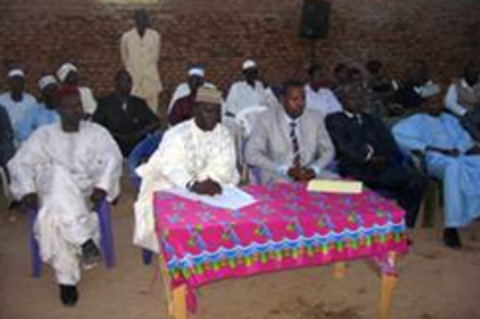
The station was officially launched at a ceremony in December 2009 with representatives of Chad's Ministry of Communication and the High Council for Communication. The small launch ceremony involved live testimonies from guests and fans, journalists' presentations, quizzes, speeches, and music dedications. Radio Sila staff felt this gathering was important for raising awareness among officials of the work they do at the station.
Conflict.
The ongoing crisis in Darfur has been called the world's worst humanitarian crisis. It has produced a situation in which almost a half a million people - both Sudanese and Chadian - have been displaced from their homes, living in refugee and IDP camps far away from their former lives. An additional estimated 700,000 people are living in vulnerable host communities in and around the refugee-affected areas.
Internews, United Nations High Commissioner for Refugees (UNHCR), and the State Department's Bureau of Population, Refugees and Migration.
Global Giving website on August 23 2010; and Internews website on August 23 2010 and November 10 2010. Image credit: René Collard/Internews
- Log in to post comments