











































Quality of Health Worker and Caregiver Interaction during Child Vaccination Sessions: A Qualitative Study from Benishangul-Gumuz Region of Ethiopia
CORE Group Polio Project Ethiopia
"Adequate and clear communication during immunization sessions is a key factor that influences caregivers to adhere to the vaccination schedule and continue to bring children for vaccination."
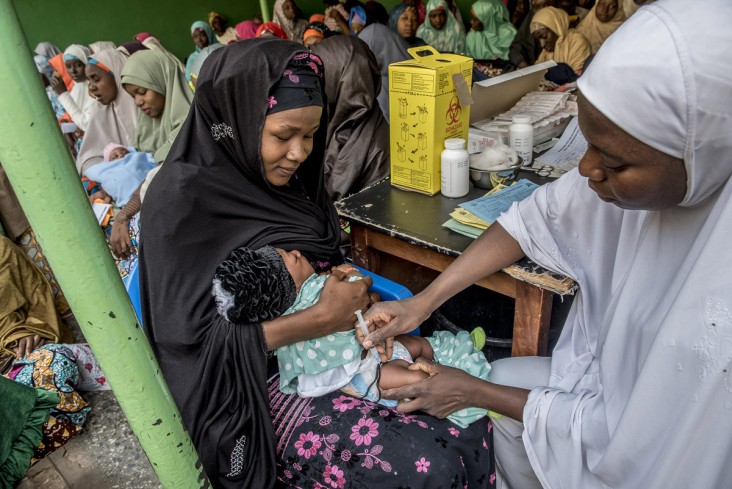
Research has found that the quality of communication between health workers and caregivers at the time of children's vaccinations at health facilities or outreach sites can either encourage or hinder caregivers' return, and hence can have an impact on vaccination uptake. This study was carried out with the goal of understanding how the quality of health worker and caregiver interactions at health facilities during vaccination sessions in Benishangul-Gumuz, Ethiopia, could be affecting continued use of the vaccination service. The ultimate aim was to identify communication gaps that could be contributing to the low immunisation coverage in this region.
The cross-sectional qualitative study was conducted from July 20-26 2019 using in-depth interviews with health workers who provide vaccination at health facilities, observation of the interactions between vaccinators and caregivers during vaccination sessions, and exit interviews of caregivers. Specifically, health workers who provided vaccinations in 12 health facilities based in central and remote parts of the region were interviewed, a 79 vaccination sessions in 12 health facilities in 6 districts were observed, and caregivers were interviewed on exit.
In this study, "high-quality interaction" was defined as clear and complete messages on key immunisation messages, passed from the health worker to the caregiver, which the caregiver has understood fully. The following parameters were used to assess the quality of interaction: health worker giving clear and full information on the type of vaccine given, its side effects, return date for next vaccination, and importance of the vaccination card and bringing the card when coming for vaccination, as well as the use of job aids by the health worker during communication with the caregiver.
Four themes and 14 sub-themes emerged during data analysis. A narrative account of the themes and subthemes supported by direct quotes from participants is presented in the paper. In brief:
- Theme 1: Vaccinator and caregiver interaction at health facilities: Health workers said they enjoy the work they do to get children vaccinated, while caregivers described the vaccinators as friendly and supportive.
- Theme 2: Key immunisation messages to caregivers by vaccinators: Not all health workers explain the purpose of the immunisation card to caregivers; thus, caregivers do not give due attention to the importance of the card. Some caregivers forget to bring the immunisation card with them to vaccination session, leading, in some institutions, to refusal of the service. Health workers write the date of the next vaccination on immunisation cards, but the majority of caregivers cannot read. This means they may not the understand the return date, type of vaccine, or the purpose of the vaccine given.
- Theme 3: Factors affecting dependability of messages from the vaccinator for immunisation service: When there are uncertainties regarding the availability and/or transportation of vaccines for the scheduled day, health workers do not tell caregivers when the next vaccination date will be. In addition, they seldomly praise caregivers for bringing their children for vaccination, and in their discussions with caregivers, they tend to not use job aids to explain vaccination messages.
- Theme 4: Communicating with caregivers through community volunteers: Health workers work with community volunteers to reach caregivers at home with immunisation messages. They consider the contribution of community volunteers to be one of the most important factors for ensuring successful vaccination programmes.
Notably, even though caregivers did not know the specific vaccine that was administered to their child - either because they could not read the name of the vaccine given in the vaccination card or were not told by the vaccinator - this knowledge gap does not seem to hinder vaccine uptake, as most caregivers agree their children should get all vaccines recommended by health workers. However, there are cases in which a lack of information might be a reason for parents to fail to take their child for further vaccinations - for instance, it was found that health workers did not give details about side effects specific to the type of vaccine the child receives. This misses important common injection-related side effects, such as redness, itching, swelling, or small nodules that might persist at the injection site. A caregiver who does not have previous experience could be alarmed if side effects that the health worker failed to mention occur. Among the other factors of concern: Vaccine shortages on designated days of vaccination send a negative message to caregivers about the future availability of the vaccination service, and hence could deter caregivers from seeking vaccination for their children.
In conclusion, although health workers are friendly and appreciated by caregivers, this study found that key and full information that could ensure caregivers continue to use the vaccination service is not communicated to caregivers. To ensure continued use of the immunisation service at health facilities, the gap in health worker and caregiver communication needs to be improved by training health workers in interpersonal communication (IPC) skills, immunisation in practice, and standardised communication competency guides.
Ethiopian Journal of Health Development. 2020; 34(2):122-28. Image credit: Karen Kasmauski/MCSP
- Log in to post comments