










































Mediating Climate Change in Selected Southern African Newspapers: Towards Climate and Environmental Journalism
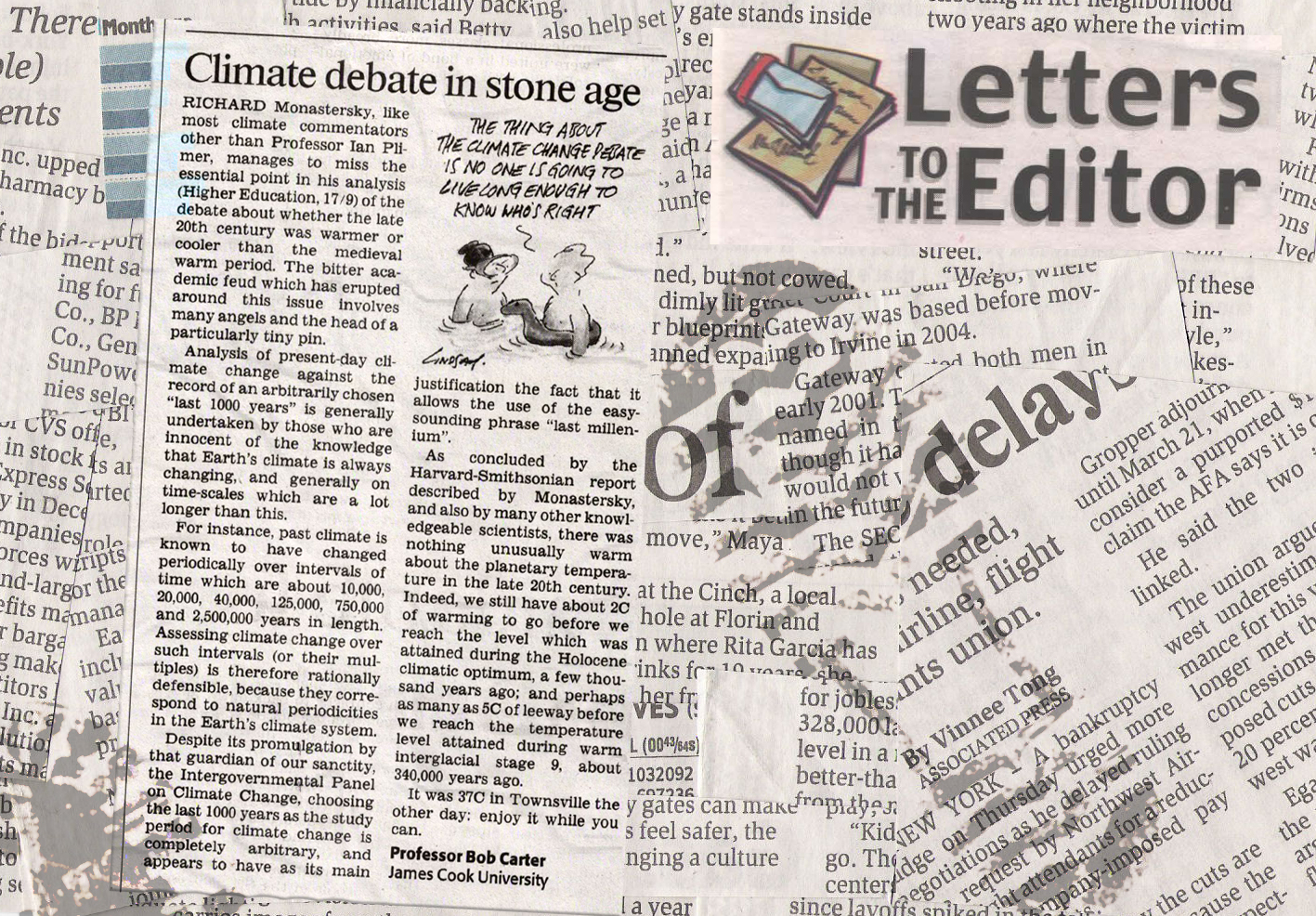
This presentation critiques current climate change journalism. It argues that the media is crucial in restoring the voices of those most affected by climate change, including their critical reflection on the science of climate change.
The original presentation was at the AfricaAdapt Climate Change Symposium in Addis Ababa, Ethiopia in March 2011 as a paper in a panel entitled "The roles of media and intermediaries in translating, sharing, and advocating". The paper provides a critique of current climate journalism and argues that, given the potentially catastrophic effect climate change could have on the livelihoods of billions of people, the media is crucial for restoring the voice of those most likely to be affected. The author argues that - given that climate change has become an issue of concern in the media in recent years - the obvious missing link in climate change discourses is development journalism that treats audiences as citizens, prioritises public listening, and encourages active citizenship in the debates.
The presentation is based on research conducted on coverage of climate change reportage in two South African and Zimbabwean weekly newspapers. The research paid particular attention to: media representations of the climate change discourses, who is given a voice in media reports, how the different actors are represented, and how indigenous knowledge systems are framed against modern knowledge systems. The presentation demonstrates that the climate change debate in The Sunday Mail (Zimbabwe) and The Mail and Guardian (South Africa) is largely framed within a global scientific hegemony, which gives primacy to alarmism, technocratic jargon, and officialdom.
Based on the coverage in these newspapers, the author argues that alarmist reportage has the unintended consequence of demobilising people by making them feel isolated, hopeless, and powerless. Mare contends that what is missing from media reports on climate change is nuanced analysis and that the quality of much of the coverage confirms research that the environment beat is still considered a "lower order" genre in African newsrooms.
The author argues that such reportage creates, reproduces, and circulates a top-down approach to climate change adaptation, which obscures the role of indigenous knowledge systems and constricts the voices of the economically poor in local debates. He further argues that the role of advocacy and the media in translating the issues in Africa is being constrained by the dearth of science journalism, the comodification of news, the commercialisation of the media, and the urban bias in newsrooms.
The article argues that both traditional and citizen journalists are important cogs in the climate information cycle as disseminators of information, mobilisers, translators, environmental scanners, and platforms for debate. It makes the case for citizen journalism as an antidote to the publisher-centric agenda-setting of the climate change debates and calls for the introduction of climate change journalism courses as part of curricula in order to create a critical mass of well-trained science journalists instrumental in mobilising and sensitising their communities.
In concluding, the author argues for a paradigm shift and asserts that the time is ripe for journalism schools in Africa to welcome a new baby in the family of journalism: climate and environmental journalism. He argues that while politics, sports, economics, entertainment, and health journalism have received considerable attention in most journalism curricula in recent years, the introduction of climate and environmental journalism courses would permit better understanding of sustainable development challenges and enable journalists to better respond, from an informed position, to the challenges of development in environmental degradation, climate change mitigation, adaptation, and disaster warning, among others.
AfricaAdapt website on August 1 2011. Image credit: The Network: News of Climate Change