










































Mahlabathe Speaks
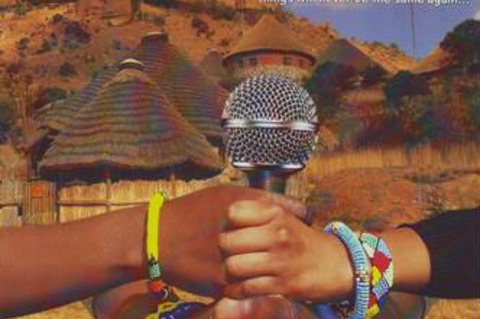
Launched in November 2012, Mahlabathe Speaks is a 13-part serial drama that uses edutainment to highlight the intersections between HIV/AIDS and gender-based violence (GBV) in South Africa. Distributed to community radio stations in the provinces of Eastern Cape, Northern Cape, Kwa-Zulu Natal, and Free State, the drama production was accompanied by a presenter's guide, a theme song encouraging people to speak out against violence, and listening groups. The drama was produced by CMFD (Community Media for Development) Productions for People Opposing Women Abuse (POWA), with the support of the Joint Gender Fund.
Launched in November 2012, Mahlabathe Speaks is a 13-part serial drama that uses edutainment to highlight the intersections between HIV/AIDS and gender-based violence (GBV) in South Africa. Distributed to community radio stations in the provinces of Eastern Cape, Northern Cape, Kwa-Zulu Natal, and Free State, the drama production was accompanied by a presenter's guide, a theme song encouraging people to speak out against violence, and listening groups. The drama was produced by CMFD (Community Media for Development) Productions for People Opposing Women Abuse (POWA), with the support of the Joint Gender Fund. MAIN COMMUNICATION STRATEGIES Mahlabathe Speaks was produced in four languages English, Isizulu, Isixhosa, and Sesotho. The drama was designed to:
- build a deeper awareness and understanding of the intersections between GBV and HIV;
- encourage people to change their attitudes and actions towards GBV, gender equality, and HIV;
- prompt dialogue on GBV and HIV, as well as the related issues of culture and gender stereotypes, both of masculinity and femininity;
- raise awareness and profiles of local organisations and groups working on these issues; and
- encourage community action.
Partner radio partner stations launched broadcasts during 16 Days of Activism Against Gender Violence and in each province one key partner station and community-based organisation or non-governmental organisation worked together to facilitate listening groups. An accompanying presenter's guide was used to assist listening group facilitators and radio presenters to host discussions, ask questions, and present accurate facts about the issue, as well as encourage the creation of stories and reports.
The story follows Lerato, a city girl who runs away to a rural village. While at first she just wants to finish her work and go home, she finds herself remembering and celebrating her culture, and beginning to like the local community radio station presenter. Her newfound friends Ntomb'entle and Busisiwe have their own problems. Living with HIV, Ntomb'entle's disclosure results in violence from her husband and family, while Busisiwe finds her voice to speak out on what she thinks is right. The drama highlights the links between HIV/AIDS and gender violence, while also encouraging people to speak out.
Click here to listen to promotional trailers and the Mahlabathe Speaks theme song.
HIV/AIDS, Gender violence
According to POWA in South Africa, violence against women has reached epidemic proportions, one of the highest rates in the world of countries collecting such data. It exists in millions of households, in every community, in every institution, in both public and private spaces. Sexual and gender based violence (SGBV) cuts across race, class, ethnicity, religion, and geographic location.
People Opposing Women Abuse (POWA)
CMFD website on December 17 2012.
- Log in to post comments