











































Likusasa Ngelami (The Future is Mine)
The campaign developed different messages for 3 types of audiences:
- Youth (including in-school youth and out-of-school youth): the messages aimed to encourage delay of sexual debut.
- Young adults: For men the message was related to choosing to have one sexual partner. For women the message related to choosing not to share a partner.
- Mature adults (married) - the messages promoted faithfulness and also aimed to empower women to take a position against men who are being unfaithful.
Each message designed for a specific audience was given prominence for a period of one month before a new message for another audience was introduced. According to NERCHA, this strategy intended to avoid overloading the public with too many messages at the same time, which would affect the impact of the message.
In the design of the posters and billboards, the campaign chose to use bright colours in order to allow the billboards and posters to stand out more. Images were also photographed from the bottom up to create a larger-than-life heroic impression of the intended role model depicted, which would communicate self-assurance and confidence. Images also used a combination of painting and photograph to combine reality and the abstract. According to the campaign developers, the reason for this is that photographs are used all the time to depict images, but it is only the valuable and important things that are painted.
Posters and billboards were strategically located around the country. Trucks carrying bread into rural areas were also branded with the same images. A radio advertisement was made for each intended audience group and was broadcast on the 2 radio stations in the country. A live phone-in programme was also broadcast over a 2-month period.
To complement the media-based campaign, a drama was developed by the Communication Arts Network to reach out to youth in schools. This drama was staged in 100 schools and was used to initiate discussions on the issue of abstinence and delay of sexual debut. During the shows, promotional materials were distributed. School-based health clubs were also encouraged to continue with the discussions and debates arising from the drama.
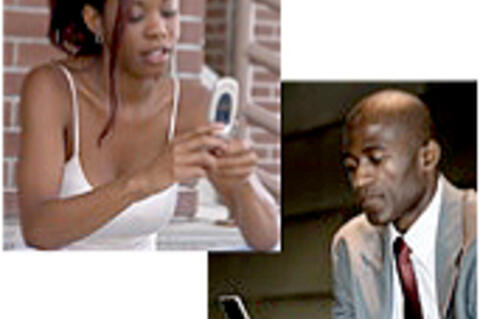
NERCHA's tagline was originally "Hha, i-HIV ibhokile" ("Hey, HIV is everywhere"). The ad created fervour, so a text message communication tool was edited to read, "He's workin' late, cum work on me." It's for her makhwapheni ("secret lover" in SiSwati). But next to the image of the phone appears another message that dramatically changes the mood: "Why kill your family," followed by the tagline, "Secret lovers kill."
HIV/AIDS, Youth
Ministry of Education, Schools Health and Population Education (SHAPE), Swaziland National Youth council, Lutsango LwakaNgwane (the Swazi women's regiment accountable to the Queen Mother), and the Church Forum.
Email from Busi Dlamini of NERCHA to Soul Beat Africa; Addressing Multiple Concurrent Partnerships: The Experience of Swaziland PowerPoint Presentation on November 17 2008; and AIDSTAR-One website, March 22 2010.

- Log in to post comments