










































Increasing Male Engagement in HIV Prevention in Côte d’Ivoire
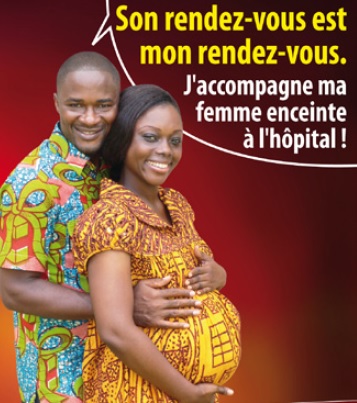
This 8-page project brief discusses the experience of EngenderHealth’s RESPOND Project in Côte d’Ivoire, which is working to challenge gender inequalities and transform harmful norms of masculinity that hinder HIV/AIDS prevention and care. According to the brief, significant challenges still remain, but the strategic approach of the RESPOND project and the Men as Partners (MAP) methodology, which combines male engagement through group education and community sensitisation, offers a positive model for change.
The Côte d’Ivoire activities are part of EngenderHealth's ongoing RESPOND Project, which is supported by the United States President’s Emergency Plan for AIDS Relief (PEPFAR), to strengthen the capacity of government and civil society to design and deliver gender-aware HIV services and education. This brief discusses work launched in 2011 at seven pilot sites in and around Abidjan. Formative research with focus groups found that the patriarchal nature of cultural norms was a contributing factor to men's and women's risk: "cultural and religious taboos make it very difficult for women and men to talk openly together about sex or contraception, let alone the risks of sexually transmitted infections or the possibility of seeking an HIV test. These risks are very real, given that men's having sex outside of their marriage was described as a 'fact of life.'"
In Côte d’Ivoire, the project focuses on building the capacity of health care facilities and the communities they serve, as well as strengthening national capacity to implement and sustain gender-transformative HIV programmes. Activities included: collaborating with the Johns Hopkins Bloomberg School of Public Health Center for Communication Programs (JHUCCP) to develop information, education, and communication (IEC) messages and materials; training health care staff; facilitating health facilities to develop male friendly action plans; and training and supporting community educators.
Supporting Clinics to Be More Male-Friendly
The project communication strategy included specific behaviour change messages for men, tailored to several key audiences. "These included encouraging men to: reduce their number of sexual partners and limit their alcohol intake; use condoms; discuss sexual satisfaction and HIV testing with their wives; seek testing for HIV; and accompany wives and partners for reproductive health services...In particular, messages highlighted the beneficial ideals and values of 'African' culture and utilized well-respected cultural and religious leaders to promote these health-related norms for men in their roles as husbands, boyfriends, fathers, and sons." At the same time, staff at health facilities also received training using EngenderHealth’s MAP® curriculum. According to the brief, as a result of this dual approach to men and the health facilities that would care for them, "male testing at the seven pilot facilities has increased dramatically since RESPOND began to support this community outreach. Men represented 21% of all individuals tested for HIV at supported facilities in April - June 2014, compared with just 5% at the start of the project."
Using Community Educators to Promote Men’s HIV Testing
The brief discuss the importance of community educators' engagement with men. At the national level, a radio-based awareness-raising campaign used high-profile male champions from sports and entertainment to deliver messages around men’s responsibility for the health and well-being of their families as well as themselves. At the local level, in the communities surrounding the pilot health facilities, community educators were trained to promote men's uptake of HIV services and more positive norms of masculinity. As stated in the brief, "since the start of the community educator training in 2012, 163 RESPOND-trained community educators, religious leaders, and social workers have sensitized 34,908 men and 34,636 women about the importance of male engagement in HIV prevention and testing, including PMTCT [Prevention of mother-to-child transmission]."
Progress Made and Challenges Remaining
According to the brief, "measured in terms of numbers, the RESPOND programme has worked well. After receiving training in male-friendly services, staff at health care facilities dramatically increased the total number of men tested, from 201 in the first quarter of the program to 2,225 during the most recent quarter. In terms of the percentage of clients tested who were male, all facilities have showed upward trends." In terms of the way forward, "both health care providers and community educators agree that there is a continuing need to demedicalise HIV testing and counselling by addressing issues of social stigma and couple communication more fully." The social process of change is long and complicated, and the community sensitisation activities made an important contribution, but much remains to be done.
Respond project website on October 12 2014.