











































How Do You Use Drama to Teach People about Family Planning?
"Cultural norms and traditions remain one of the key barriers to providing sexual and reproductive health services globally. Zambia, with one of the world’s fastest growing populations, is no exception."
This news article on the Marie Stopes International (MSI) website describes a partnership between MSI Zambia and the national non-governmental organisation (NGO) Africa Directions that is using theatre as a tool to address these cultural norms and traditions in an effort to save women's lives. The purpose of the performances is to provide women with accurate, objective advice about their sexual and reproductive healthcare choices so they can access the full range of short-term and long-acting or permanent methods (LAPM) of voluntary family planning, as well as legal, safe abortion services. According to MSI, Zambian women experience high rates of unintended pregnancies and barriers in accessing services; an estimated 30% of the maternal deaths in Zambia are a result of unsafe abortion.
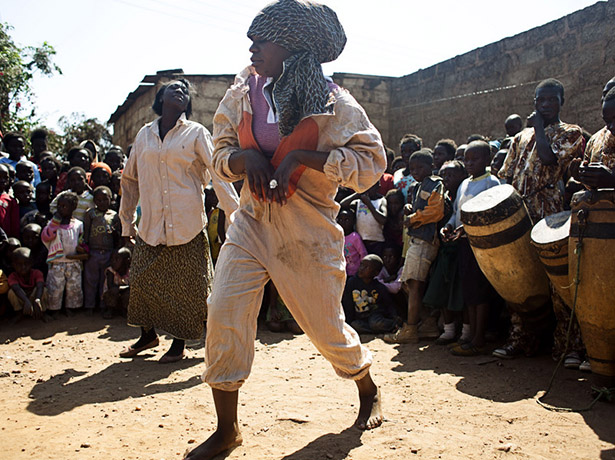
Telling the story of one particular day in the "life" of this partnership - an outreach trip to the Kalikiliki compound, with its limited access to health services - the article describes how drama is used to spread the family planning message. After the actors, musicians, dancers, and community educators set up their stage, "local celebrity Miyoba Sumaili takes the stage to introduce the performance. Miyoba is the Drama Coordinator at Africa Directions. He also stars in a popular Zambian soap, Banja, and is well known to the audience. His celebrity status, as well as that of his co-star Chilufya Mifumbi, keep the crowd excited and alert to the unfolding drama." That particular day's performance focused on unsafe abortion, exploring the issues and alternative options through the true story of one young woman.
As detailed here, within the crowd are Africa Directions and MSI Zambia peer educators, whose role is to speak to the audience about the performance and answer questions people may have about family planning and safe abortion. Women are given printed leaflets and referral slips to MSI Zambia's mini-clinic located in the nearby compound, where family planning services are available free of charge.
The local celebrity who introduced this performance explained: "Here in Zambia, [drama is] the most effective way of communicating with people. People don't always accept what they hear in a one to one conversation but when they see a performance, they do. You play the drums, they come, you act. It's easy for them to get information and ask questions straight away. Before we came there were a lot of abortions in the community but since we've been coming the numbers have reduced because they are using contraception."
MSI website, November 3 2011.
- Log in to post comments