










































An Evaluation of 'Civilia': Working with Local Media to Tackle Hate Speech in Côte d'Ivoire
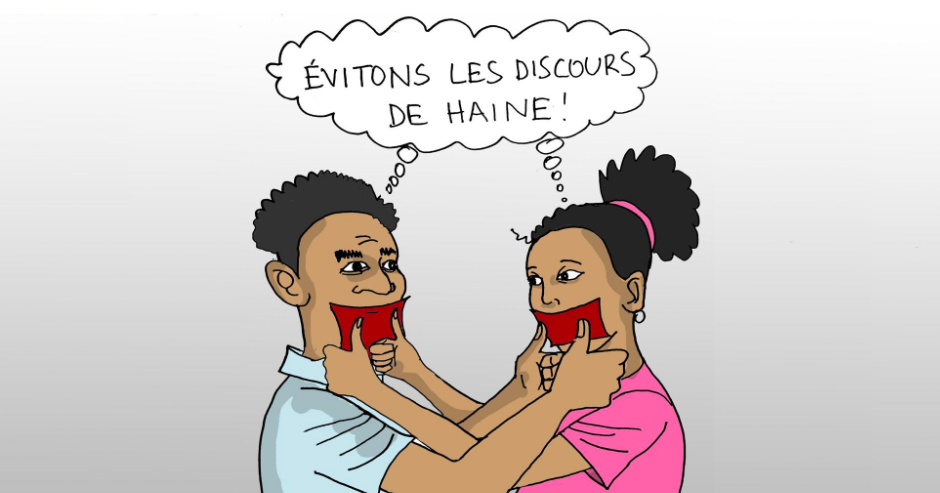
"I used to share what I saw on social media without checking it. But when I started following the Civilia page,...I realized...you need to take time to really understand information before sharing it..." - Civilia online consumer
This report shares the results of an evaluation of the Civilia media project in Côte d'Ivoire, which used radio and social media content to cover, and constructively debate, issues of concern to Ivorian citizens in areas that were prone to inter-community violence fuelled by hate speech. Published by Internews, the report is designed to inform future media initiatives that promote political participation, constructive dialogue, and social cohesion in Côte d'Ivoire, Western Africa, and elsewhere.
As explained in the report, "violence attributed to online hate speech has grown in Côte d'Ivoire since 2010. Increased attacks on members of various ethnic, racial, religious and gender-based groups have reflected a growth in hate speech about these groups. In 2010/11, post-election violence caused more than 3,000 deaths in the country, displaced thousands more people, and left deep societal scars." In addition, there are low levels of political participation, and the country has few impartial media outlets that are able to support social cohesion and positive political engagement. To address these issues, Internews, with funding from the United States Agency for International Development (USAID), implemented Civilia between 2018 and 2021. Civilia was the media component of the Political Transition and Inclusion program (PTI) implemented by a consortium of international and national non-governmental organisations (NGOs) led by the National Democratic Institute. It aimed to improve governance and to increase citizens' participation in political dialogue, with a focus on reducing hate speech and political violence.
In support of PTI, Civilia specifically reached out to youth and women in areas with heightened risks of political and inter-community violence. Primary project activities included:
- Building the capacity of Ivorian media practitioners to report on issues in conflict-sensitive ways;
- Enabling marginalised voices to be amplified;
- Raising awareness of hate speech and its consequences; and
- Rebuilding constructive dialogue between citizens and government.
Working with Ivorian media professionals, Internews produced and facilitated radio and social media content that was broadcast through a network of partner radio stations in 10 local languages across the country. The content included:
- One-hour radio programmes featuring reports, interviews, debates, and call-in features;
- Carton Rouge (Red Card), a weekly 10-minute radio and online video column to discuss recent types of hate speech, immediately followed by local debates on the issue; and
- Short videos published on the Civilia Facebook page and the social media pages of the African Media Institute and Police Secours.
The evaluation used a mixed-method approach that combined qualitative and quantitative data collection, supplemented by a document review. Qualitative research included focus group discussions with Civilia audience members and key informant interviews with government, project partners, or representatives of other organisations working to improve governance and political participation and to tackle hate speech in Côte d'Ivoire. The quantitative research comprised a survey questionnaire among Civilia audience members, supplemented by data analysis of the Civilia Facebook page. The evaluation was designed to assess: the project's impact and added value, including which content was most effective; its contributions to project objectives; the perceptions of, and reactions to, Civilia content among audiences, partner radio stations, and partner NGOs; and how to increase the impact of similar projects in the future.
The findings of the evaluation showed that Civilia achieved significant audience reach by partnering with more than 20 radio stations across Côte d'Ivoire and via Facebook, the most widely used social media platform. Partnerships with these radio stations and other social media actors led to the further promotion of Civilia content. Overall, Civilia content reached 5.3 million people through social media. This reach resulted in very high awareness levels: 86% of survey respondents were aware of Civilia.
In terms of perceptions, survey respondents primarily accessed Civilia content because it reflected local communities' needs and educated people about different aspects of society, rather than its role in raising awareness about hate speech. More survey respondents (41%) recognised that Civilia covered hate speech than any other topic, but far fewer cited the participation of youth and women in political life as Civilia topics. This finding matches survey respondents' views on Civilia's positive contributions: 42% mentioned combating hate speech, yet only 5% mentioned increasing participation in politics.
Related to overall impact, the results showed that the Civilia project raised public awareness of hate speech and its impact. Project partners learned about the challenges around hate speech, ways to address them, and technical skills. Civilia also contributed to strengthening peace and social cohesion in the country by increasing public awareness about a range of social cohesion and peacebuilding issues. The results also showed that Civilia content encouraged local and national debate on the topic of hate speech. There are indications that more Ivorian journalists are now covering the issue, and more citizens are reporting hateful content on Facebook.
The results also show that the production of large amounts of content that was tailored to local concerns was only possible because of the many partnerships that underpinned the project. Partner radio stations ended up producing or rebroadcasting more Civilia content than stipulated in their contract, reflecting how highly they valued it.
Based on the findings, the evaluation recommends continuing, replicating, and ideally broadening the Civilia model to address the challenges faced by Côte d'Ivoire and the wider West African region in relation to conflict, hate speech, and violent extremism. Its specific, actionable recommendations are:
- Adjust topics to address the most relevant local issues.
- Cover locations affected by the 2020 electoral crisis, more locations in the north and west affected by violent extremism, and more Abidjan municipalities.
- Change broadcast times to increase radio and social media audiences.
- Produce more visual content and shorter videos, and host competitions and social media discussions to increase audience engagement.
- Broaden the social media platforms used to include Instagram, YouTube, and a vlog.
- Strengthen the presenters' and correspondents' communication skills.
- Improve coordination and timely communication with broadcast partners.
- Scale up publicity around this kind of initiative.
- Use more effective content analysis tools.
Internews website on October 25 2023. Image credit: Civilia via Facebook
- Log in to post comments