











































A Descriptive-Multivariate Analysis of Community Knowledge, Confidence, and Trust in COVID-19 Clinical Trials among Healthcare Workers in Uganda
The University of Edinburgh (Kasozi); Kabale University (Kasozi); EcoHealth Alliance (Laudisoit) - plus see below for full authors' names and affiliations
"Understanding community knowledge and trust has become increasingly important in the design of effective and ethical clinical trials."
Fear, distrust, and suspicion are among the barriers to clinical trial participation in Africa. The media, advocacy groups, medical journals, and public information services can each shape how the population receives, analyses, and uses medical and health information. These groups, along with social media, have contributed, sometimes inadvertently, to the dissemination of myths and misunderstandings without addressing emotional, psychosocial, and ethical aspects of trials. Thus, the emerging consensus is that communities should be inclusively involved in the design, implementation, and monitoring and evaluation of trials to increase understanding, trust, and acceptability - and to negotiate challenges as they arise. This study aimed to identify major challenges associated with coronavirus disease 2019 (COVID-19) vaccine clinical trials among healthcare workers and staff in Uganda.
Using an online questionnaire, the researchers conducted a descriptive cross-sectional study among 260 healthcare workers (66% male) in health facilities in 46 districts in Uganda. Twenty-seven questions assessed knowledge, confidence, and trust scores on COVID-19 vaccine clinical trials. During the study period (September 5 to October 7 2020), COVID-19 national lockdown restrictions were just being lifted, and media reports emphasised the potential benefits of a COVID-19 vaccine.
The research found low levels of knowledge (i.e., confusing COVID-19 with Ebola), with males being more informed than females (odds ratio (OR) = 1.5, 95% confidence interval (CI): 0.7-3.0). Mistrust was high and was associated with policy decisions to promote herbal treatments in Uganda and the rushed international clinical trials. Knowledge, confidence, and trust scores were higher among the least educated (certificate vs. bachelor degree holders). High fear and mistrust for COVID-19 vaccine clinical trials was more common among wealthier participants and more affluent regions of the country. The study also found a high level of skepticism and possible community resistance to DNA recombinant vaccines, such as the Oxford-AstraZeneca vaccine. Preference for herbal treatments (38/260; 14.6%, 95% CI: 10.7-19.3) being promoted by the Ugandan government raises major policy concerns.
Reflecting on the findings, the researchers note that higher-educated people have more access to internet and hence to the misinformation as well as correct information. Higher education is also associated with greater demand for information about risks and benefits before consent to participate in a trial would be given. This finding may indicate that insufficient information about COVID-19 clinical trials has been given to healthcare workers, and that "health professionals do not feel consulted or adequately engaged in trial design and plans....The skepticism identified amongst the educated and most professional healthcare workers re-emphasizes the need to increase transparency to encourage scientific and community scrutiny on COVID-19 vaccines."
Thus, this study demonstrated widespread knowledge and trust gaps related to COVID-19 vaccines amongst healthcare workers in Uganda. The study reveals that the limited experience in clinical trials among Ugandans contributes to reluctance and misinformation. The Ugandan government's decision to invest in parallel COVID-19 herbal treatments and therapeutic research through the Ministry of Health (to pursue vaccine research) and Busitema University (to pursue COVID-19 therapies) also continues to create further confusion.
Furthermore: "The skepticism towards COVID-19 vaccines appears to be associated with the fact that vaccine manufacturers and scientists have been predominately from Europe and North America, raising suspicions of neocolonialism through medical research. This shows the need for well-structured clinical trials and drug development to be conducted in resource-poor countries as a strategy to address vaccine hesitancy."
Thus, in addition to education to promote knowledge among healthcare workers, "To address low trust in COVID-19, but also future pandemic vaccine clinical trials, it is important to situate clinical trials in Africa, led by respected African research institutes, with clear and transparent community engagement, legal and ethical protocols. Future studies should explore community perceptions of mRNA vaccines, since these are the leading vaccine candidates being deployed to control the COVID-19 pandemic...Studies should also explore the scientific networks that have emerged around COVID-19 clinical trials and the influence of African researchers, including increasing trust and confidence in vaccines by healthcare workers."
Full list of authors, with institutional affiliations: Keneth Iceland Kasozi (The University of Edinburgh, Kabale University); Anne Laudisoit (EcoHealth Alliance); Lawrence Obado Osuwat (Soroti University); Gaber El-Saber Batiha (Damanhour University); Naif E. Al Omairi (Taif University); Eric Aigbogun (Kampala International University Western Campus); Herbert Izo Ninsiima (Kabale University); Ibe Michael Usman (Kampala International University Western Campus); Lisa M. DeTora (Hofstra University); Ewan Thomas MacLeod (The University of Edinburgh); Halima Nalugo (Mbarara University of Science and Technology); Francis P. Crawley (Good Clinical Practice Alliance-Europe and Strategic Initiative for Developing Capacity in Ethical Review); Barbara E. Bierer (Harvard Medical School); Daniel Chans Mwandah (Muni University); Charles Drago Kato (Makerere University); Kenedy Kiyimba (Busitema University); Emmanuel Tiyo Ayikobua (Soroti University); Linda Lillian (Ministry of Health, Kampala, Uganda); Kevin Matama (Kampala International University Western Campus); Shui Ching Nelly Mak (The University of Edinburgh); David Onanyang (Gulu University); Theophilus Pius (Kampala International University Western Campus); David Paul Nalumenya (Makerere University); Robinson Ssebuufu (Kampala International University Western Campus); Nina Olivia Rugambwa (Library and Information Science); Grace Henry Musoke (Cavendish University); Kevin Bardosh (University of Washington); Juma John Ochieng (Kampala International University Western Campus); Fred Ssempijja (Kampala International University Western Campus); Patrick Kyamanywa (Kampala International University Western Campus); Gabriel Tumwine (Makerere University); Khalid J. Alzahrani (Taif University); Susan Christina Welburn (The University of Edinburgh, Zhejiang University)
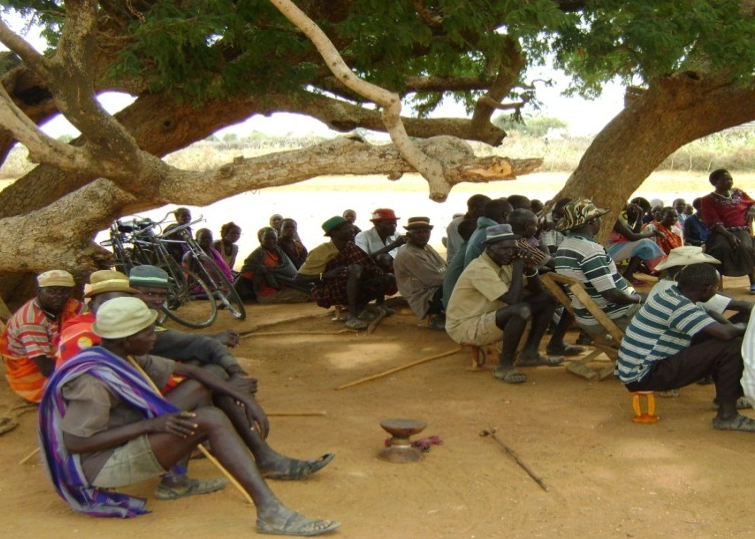
Vaccines 2021, 9(3), 253; https://doi.org/10.3390/vaccines9030253. Image credit: Twitter/Ministry of Health Uganda
- Log in to post comments