











































Covering COVID-19: Handbook for Journalists
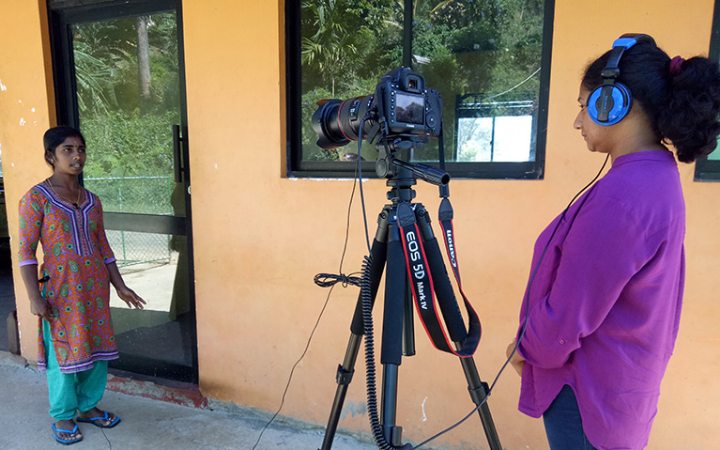
"With an explosion of news about COVID-19 virus everywhere around us, it becomes imperative for reporters and editors - who bring this news to the end consumers - to be able to sift through the clutter, recognize the fact from the fake, and convey news in a manner that is appropriate, accurate, sensitive and palatable."
Created through IREX's Media Empowerment for a Democratic Sri Lanka (MEND) programme, this resource is a collection of tools, techniques, and strategies for journalists covering the Coronavirus outbreak. It includes tools for fact-checking misinformation and hoaxes. The tips are applicable beyond the Sri Lankan context.
Topics include:
- Getting story ideas right - e.g., Listen intently to conversations...
- Getting your sources right - e.g., Consult the authorised websites listed for safe, accurate information...
- Getting your facts right - e.g., Be wary of rumours, unsubstantiated theories, and half-truths...
- Getting your reporting right - e.g., Understand the mood on the ground - then translate it into your work...
- Getting images and videos verified accurately - e.g., Use tools such as the fake video news debunker by InVID...
- Getting maps right - e.g., Ask questions when reading a map and the information around it to determine its trustworthiness and reliability...
- Getting your language right - e.g., Avoid using terms that would exacerbate panic...
The resource ends with a reminder for journalists to stay safe: "There's no story worth your life." Relatedly, a list of tips on protecting your physical and mental health is available on this dedicated COVID-19 page on the IREX website, where links to additional resources for journalists are also provided.
This handbook is funded the United States Agency for International Development (USAID) as part of its support of MEND, whose goals are to: improve media governance and the enabling environment for media in Sri Lanka; strengthen the ability of media to provide balanced, informed, unbiased, and ethical reporting on key policy and public interest issues in Sri Lanka; and advance the role of media to serve as an important forum for national dialogues.
7
Covering COVID-19: Advice and resources for journalists, IREX, March 24 2020, and MEND page on the IREX website - both accessed on April 9 2020. Image credit: IREX
- Log in to post comments