










































Alam Simsim
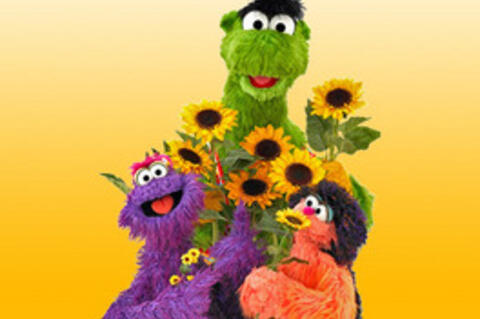
Alam Simsim uses live action, animation, and colourful characters in an effort to meet the educational needs of young children (ages 3-6) in Egypt - through an entertainment-education medium. Sesame Workshop collaborates with local producers, child development experts, educators, and child psychologists to develop the educational curriculum in response to local needs. Through this curriculum, Alam Simsim is designed to encourage children - especially young girls - to be proud of who they are, appreciate different ways of life, and respect each other.
Alam Simsim’s educational goals are designed to promote and encourage the development of:
- girls’ education and empowerment;
- basic literacy and numeracy skills;
- environmental awareness and caring for the environment;
- health and hygiene;
- critical thinking skills;
- road safety and safety in the home; and
- respect and understanding of others.
A key strategy involves creating "a lively and friendly place where all children are always welcome" through "a dynamic studio set, animation, live-action films, music composition, and a warm cast of characters." Specifically, Muppets interact with their human friends to solve problems and have fun together in ways that aim to help young children learn more about themselves and their peers. For instance, Khokha is a 4-year-old character with a passion for learning; she is curious, creative, industrious, resourceful, and loves to solve problems. The sweet-natured, gentle, and patient Nimnim delights in life and nature; to him, everything is fresh and amazing. He loves to share his love and enthusiasm for life and nature with his many friends. Filfil is an ageless character who has a ready-made solution for every problem and is always eager to offer advice.
To help extend the messages of the television series, an outreach initiative was launched in December 2002 that sought to provide parents and caregivers with information and materials to improve their children's health, hygiene, and nutrition, as well as to promote the use of media as an educational tool in improving children's readiness for school. Working closely with local community development associations (CDAs), the outreach team developed a 2-month training component, as well as educational materials for parents and children (such as booklets, flash cards, and a healthy habits calendar). The Alam Simsim outreach team and CDs provided training and educational materials to 10,600 parents, teachers, and other caregivers in Minya, Beni Suef, and Cairo governorates during its pilot phase, which took place from April 2003 through January 2004.
Early Childhood Development, Education, Health, Nutrition.
According to organisers, since the First Lady became involved in 2000, the show has seen a 'meteoric' rise in popularity. Organisers say that in 18 months, viewership rose from 50% to 98%. Currently, the show has become a household staple, much like it is in other countries around the world.
In 2005, the series also began airing in the Middle East, dubbed into Classical Arabic, and featuring regional live action films. Local content from additional Arab countries is being incorporated to reflect the region's diversity.
Sesame Workshop and AlKarma Edutainment, with active support and involvement from Egyptian education, media, film, television, and artistic communities. Funding provided by the U.S. Agency for International Development in Egypt (USAID/Egypt), in cooperation with Egypt's Ministries of Education and Information.
Email from June Lee to The Communication Initiative on August 17 2005; Alam Simsim Outreach Program Impact Report, Social Planning, Analysis and Administration Consultants (SPAAC), 2004; "The Impact of Alam Simsim's Health Education Outreach Initiative" - Sesame Workshop, October 2004; and the Sesame Workshop website.
- Log in to post comments