










































Jhpiego and ExxonMobil Foundation Malaria Prevention Initiative in Chad and Cameroon
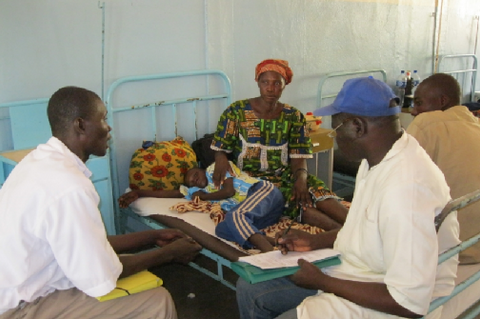
As part of its strategy to strengthen malaria prevention and treatment services, Jhpiego is collaborating with the Ministries of Health in Chad and Cameroon to build the capacity of health care workers and strengthen health systems. Funded by the ExxonMobil Foundation, the project focuses on malaria-endemic districts along the oil pipeline, and builds on previous partnerships in Angola and Nigeria. Project activities include training health care workers and community-based volunteers, as well as updating national guidelines and ensuring these updates reach frontline workers.
The programme is being implemented in the Doba, Beboto, Bodo, and Bebedjia Districts in the East Logone region of Chad and the Kribi District in coastal Cameroon. As part of this work, Jhpiego is educating health care workers, including doctors, high- and middle-level nurses, midwives, and laboratory and hygiene technicians. The training courses focus on the systematic use of rapid diagnostic tests (RTDs) to diagnose malaria before treatment and of artemisinin-based combination therapy (ACT), intermittent preventive treatment for pregnant women, epidemiological surveillance, and data reporting.
These health care workers are then expected to share their new skills with colleagues in community training courses to help build the capacity of community health volunteers in delivering health messages to residents, encouraging women to receive prenatal care and integrating malaria in pregnancy services with overall health care. Jhpiego's malaria prevention work includes recruiting community health volunteers to educate residents on the use and maintenance of insecticide-treated bed nets and the importance of vaccinations. Because of the low numbers of health workers, community health volunteers are a critical resource. They must communicate the benefits of intermittent preventive treatment for malaria in pregnancy and help develop a health care referral system so that women will seek out prenatal care and other services from their local health facilities to protect themselves and their families.
The project also works with communities to increase frontline health workers' ability to deliver lifesaving care, including developing and updating national guidelines and policies on malaria prevention and treatment, and to share them with health providers working in regional and district facilities.
Malaria
In Chad, malaria is the leading cause of disease (22.6%) and death (19% ), with an estimated 500,000 malaria cases every year. Reports show that less than three percent of children under five years of age sleep under a treated bed net, and only 12 percent of pregnant women receive the recommended treatment to prevent malaria, far short of the internationally accepted standard of 80%.
In Cameroon, a country of nearly 20 million, the percentage of children under five years of age sleeping under insecticide-treated bed nets is estimated at 21%, and only 26% of pregnant women receive the accepted dose of medicine to prevent malaria. In Kribi District, there are 11 functioning health facilities and one regional hospital to serve 128,000 people.
Jhpiego, ExxonMobil Foundation
Jhpiego website on June 8 2012.
- Log in to post comments