










































Soka Uncobe: Understanding Barriers to Uptake of Male Circumcision Services
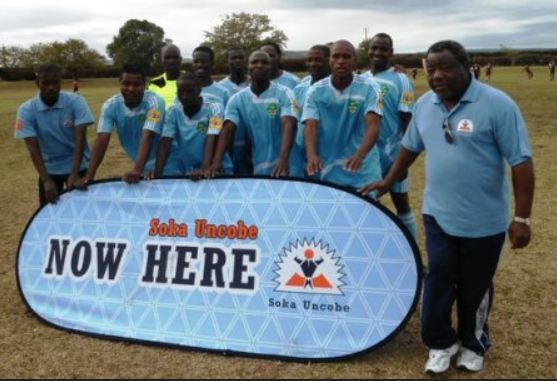
This document evaluates the Government of the Kingdom of Swaziland’s (GKoS) Soka Uncobe “campaign to achieve nationwide coverage of Voluntary Medical Male Circumcision (VMMC) through the acceleration of the Ministry of Health’s (MOH) plan to provide VMMC services to 80% of males aged 15-49 years.” The programme educates and offers VMMC services as well as promoting other HIV messages including abstinence and condom use. People may receive HIV counselling and testing as well as care. The programmed is funded by PEPFAR and implemented by several stakeholders in coordination with the MOH. Soka Uncobe means “to circumcise is to conquer.”
This study presents the findings from the analysis of a household survey that was conducted after the Soka Uncobe campaign’s first phase in order to inform the second phase of implementation through the evaluation of “current understanding and behaviours toward VMMC...” as well as information from a review of Interpersonal Communications (IPC) journals and video ethnography - over 30 hours of interviews with men over 20 years of age and other influencers such as religious and community leaders.
Key findings from the video ethnography indicate that:
- “Knowledge and awareness of the Soka Uncobe campaign is high, and the benefits of VMMC are understood, but there was a consistent lack of knowledge expressed about the actual process of VMMC. This confusion contributes to decisions not to circumcise.”
- This result is echoed by the survey where an average of 91% of respondents knew what VMMC was and around 80% who knew where such services were provided.
- 71% of male respondents were not circumcised at the time of the survey.
- Of those, nearly half said they had no interest in circumcision, but of those who were interested, the factors cited as barriers included:
- Pain (27%)
- Lack of information (20%)
- Bad stories and myths about VMMC (23%)
- Lack of time, old age, culture, religion, refusal by family members, lack of transport, behaviour of men after getting circumcised, sports, HIV positive, sickness, job constraints, nurse said he asked too many questions, and no idea.
- “Fear of pain is a leading barrier to circumcision, and ignorance or misunderstandings often contribute to this fear.”
- “Several respondents felt that they were only told about the benefits of VMMC and not the risks.”
- “Although the priests interviewed understood the benefits of VMMC, the majority thought that VMMC conflicts with their religious positions on sexual activity and felt VMMC was a license for promiscuity.”
- Male respondents who were circumcised at the time of the survey had spoken with a friend, a family member, and a wife/girlfriend/partner prior to circumcision. Very few had spoken with IPC agents or community health motivators (just over 10%). While 33% of circumcised men made the decision on their own, friends, family and partners also helped to convince 45% of them.
The 394 men who were not circumcised and said they were not interested suggested the following factors might convince them to be circumcised:
- Nothing - 33.8%
- Clinic closer to home - 11.7%
- Transportation available - 8.1%
- If my wife/partner convinces me to go - 7%
- If my friend asked me to go with him - 4.8%
- If I had to leave work to go - 4.3%
- No idea and other - 29.5%
Factors that predict VMMC uptake:
- High level of knowledge about VMMC
- High levels of social support
- Less fear about complications and greater understanding of process
- Belief that VMMC increases sexual pleasure or performance
- Employment
- Ages 35-44
When asked if they had been exposed to the Soka Uncobe campaign, 86% said they had heard about VMMC through campaign messages (radio, TV, newspaper, billboard, poster, health clinic), from which they were able to identify specific campaign content. Nearly 72% of respondents knew something of the campaign and felt positively about it, where as only 12.8% knew of it and felt negatively towards the campaign messages.
...”Thirty-two percent of males who had seen or heard of messages on VMMC from Soka Uncobe campaign were circumcised. Men circumcised that expressed awareness and exposure to the Soka Uncobe campaign were proportionally substantial compared to those circumcised and not exposed to the Soka Uncobe campaign.”
Specific recommendations to help overcome the barriers to VMMC come directly from the results of the IPC agent journals, video ethnography, and the household survey. They are copied below:
- “As the survey revealed a desire for more information on VMMC, there should be efforts to strengthen education about VMMC in Lumbombo and Shiselweni regions where knowledge and awareness is lowest.”
- “It was noted by the survey that radio was the primary medium where VMMC information was heard and newspaper as second. Using these platforms, information dissemination networks should be created. Given the expressed need for more detailed information, these must be strategic and clear with a goal of getting information to those with interest in circumcision.”
- “Responding to findings on barriers, increase outlets and quality of disseminators that provide information on VMMC, particularly regarding one-on-one information sessions. Given the expressed desire for more detailed information and high barriers citing fear, more information and increased access can build awareness. Strategies should also target secondary audiences, like friends, as they are considered an arm of social support and have proven influential towards circumcision.”
- “In response to top barriers to VMMC, fear and a need for more information, design campaigns that will increase step-by-step VMMC knowledge (and) address fear. Also campaigns should identify and positively influence social support for VMMC.... These campaigns build on high awareness levels, addressing barriers cited.”
K4Heaklth website on December 11 2013.
- Log in to post comments