










































mHero for COVID-19 Response
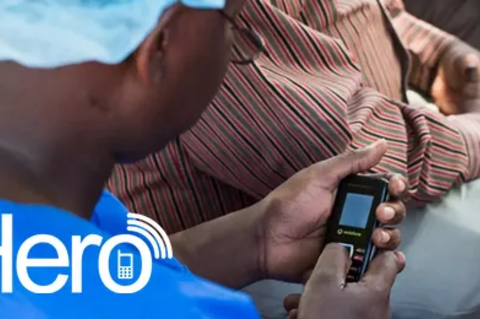
mHero is a two-way communication platform that connects ministries of health with frontline health workers in even the remotest regions, allowing for real-time information exchange and, it is hoped, a more effective outbreak response. It was developed by IntraHealth International and the United Nations Children's Fund (UNICEF) in August 2014 to support health sector communication during the Ebola outbreak in Liberia. Building on this experience, Liberia's Ministry of Health has adapted mHero to surveil for potential COVID-19 cases and send COVID-19 messages to health workers as part of the country's response to the pandemic.
mHero is an information and communication technology (ICT) approach being used in response to COVID-19, but it is not considered a new technology. Rather, it offers a way to connect existing technologies. Using global interoperability standards (specifically, Fast Healthcare Interoperability Resources, FHIR), it can help health information system platforms speak in a common language with each other and share data. As originally conceived, health officials can send out surveys or individual messages created in RapidPro (UNICEF's free, open source software), and iHRIS (IntraHealth's free, open source software) is used for creating and managing contact groups and for initiating the sending of messages and reviewing messages received. Health workers can also send messages at any time, and trigger words can be sent to initiate a flow of questions or messages. Furthermore, they can receive and send messages on basic mobile phones - no smartphones or tablets are needed. This configuration is particularly well suited to low-resource settings. IntraHealth has updated mHero to connect platforms beyond iHRIS and RapidPro - now, data from other FHIR-compliant health information system platforms can be sent via other channels such as WhatsApp.
More specifically, health officials can use mHero to:
- Communicate both routine and urgent messages to health workers, such as important updates or warnings during an emergency, notification of new policies or procedures, and reminders about routine data collection.
- Target messages to health workers based on cadre, location, or skill set.
- Collect critical information that powers resilient health systems, including stock levels, routine and one-time assessments, and validation of health worker and facility data.
- Build capacity and provide support to health workers, to give them the information, skills, and encouragement to deliver quality health services.
Since the Ebola outbreak, Liberia's Ministry of Health (MoH) has been using mHero as a surveillance and response platform for a range of diseases, conditions, and events. As part of the COVID-19 response, the government has adapted mHero to surveil for potential COVID-19 cases: Alerts starting at the facility level can be sent to district surveillance officers and up through the health system to the central MoH. The central MoH can also send out information to frontline health workers - disaggregated by cadre or by county for targeted information or educational messages.
Health, ICTs
According to IntraHealth, "Lessons learned from the Ebola response clearly show that fast, informative communication to frontline health workers, and immediate, precise case reporting from them, were useful in engaging communities, managing rumors, and mitigating public health threats." mHero addresses these issues by allowing for targeted, real-time two-way communication between health workers and ministries of health. When health officials and frontline health workers are able to communicate with each other in real time, the ministry of health is able to come up with a response that addresses the conditions and needs on the ground, and health workers are equipped with the knowledge, skills, and support needed to protect and promote health in their facilities and communities.
UNICEF, Intrahealth
"Three Early Digital Health COVID-19 Response Success Stories", by Wayan Vota, ICTworks, March 25 2020; mHero website; iHRIS website, and UNICEF website - all accessed on March 27 2020; and email from Dana Acciavatti to The Communication Initiative on March 31 2020. Image credit: Trevor Snapp for IntraHealth International
- Log in to post comments