










































Infant and Young Child Feeding Programme Review - Case Study: Uganda
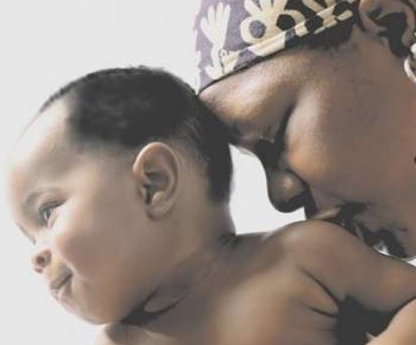

This 47-page case study is part of a review of the Infant and Young Child Feeding (IYCF) programme, which was conducted as a joint effort between the United Nations Childrens Fund's (UNICEF) Nutrition Section and the Academy for Educational Development (AED), in order to understand the factors that influenced breastfeeding programme outcomes, distil general lessons learned from the experience of these countries, and make recommendations for programming on IYCF. According to the report, Uganda is a leader in tackling HIV and services for the prevention of mother-to-child transmission (PMTCT) of HIV scaled up from five pilot sites in 2000 to 701 sites in 2008. Uganda is also an innovator and leader in the development of an integrated approach to IYCF, comprehensive and technically sound policies, and high-quality educational resources and job aids on infant feeding.
Key findings
- IYCF trends - Uganda has a strong breastfeeding culture. In 1995, the exclusive breastfeeding rate for infants 0-5 months was 57%. The rate increased in 2000/01 to 63% and then dropped to 60% in 2006. The reason for the decline is unclear. However, almost one-fourth of children between 6-23 months of age do not meet the minimum standard for three indicators: consumption of breastmilk or other milk, food diversity, and feeding frequency. This explains in part the continuing high rates of under-nutrition in Uganda.
- Accomplishments - Technical experts committed to IYCF in the Ministry of Health (MoH), non-governmental organisations (NGOs), academic institutions, and development partners worked closely to advance the IYCF agenda, often through task forces set up by the MoH. While regulations on the marketing of breastmilk substitutes exist, implementation, monitoring, and advocacy need to be strengthened. Maternity protection legislation is supportive of women breastfeeding in the workplace with 60 working days of paid leave for women in the public and private sectors. Uganda was the first country in sub-Saharan Africa to develop a 6-day course that integrates training on breastfeeding counselling, the Baby-friendly Hospital Initiative (BFHI), and HIV and infant feeding. Thousands have also been introduced to breastfeeding issues as part of trainings on PMTCT and Integrated Management of Childhood Illness (IMCI). To keep IYCF before the public, the MoH and development partners have conducted periodic media campaigns and coordinated annual World Breastfeeding Week activities.
- Gaps and challenges - According to the report, the accomplishments made in IYCF in the past 10 years are impressive, yet resource, policy, health systems, and communications gaps impede further progress. Limited dissemination and discussion of IYCF-related policies once they are approved, and lack of coordination among government authorities responsible for monitoring, diminish the impact of the policies. Moreover, many women are unaware of or unaffected by them. Messages and practical support on IYCF often do not reach mothers because of limited community-based breastfeeding promotion and support. Messages are usually directed to literate women with access to mass media, which eliminates a significant portion of the population.
The following recommendations are based on document review, key informant interviews, and stakeholder meeting at the conclusion of the country visit:
- Establish mechanisms with adequate funding for ongoing coordination of IYCF activities among the various government agencies and development partners and designate focal points for IYCF at the national and district levels.
- Use the Uganda Policy Guidelines on Infant and Young Child Feeding as a launching point for the development of a plan of action that prioritises activities based on their reach, cost-effectiveness, and sustainability and that establishes timelines, lines of responsibility, and a budget.
- Plan and implement an advocacy strategy to address complacency and to achieve clarity and consensus on feeding recommendations in the context of HIV among policy makers, programme managers, academicians, and health professionals.
- Develop a communications strategy aimed at ensuring that all women have equitable access to accurate, clear, and consistent messages. Findings from a recent media audience research study in Uganda suggest delivering messages through drama, dance, radio, and social and community gatherings.
- Incorporate BFHI criteria into existing certification programmes and develop strategies for supporting women who deliver at home.
- Bring together those who have been involved in community-based breastfeeding promotion in Uganda and elsewhere to learn from their experience and incorporate this learning in the design of community programmes; ensure that an action plan for community-based IYCF activities at scale is developed.
- Revisit the indicators and targets for measuring progress in IYCF and set up a system to track IYCF activities, training, and materials.
- Seize the opportunities that exist to advance the IYCF agenda, including the transition from programming focused primarily on emergencies to programming for development and the heightened interest in child survival, newborn health, complementary feeding, and community-based health care.
Infant and Young Child Feeding Programme Review [PDF] on May 16 2013.
- Log in to post comments