










































Country Case Study: Uganda - Support to Media Where Media Freedoms and Rights Are Constrained
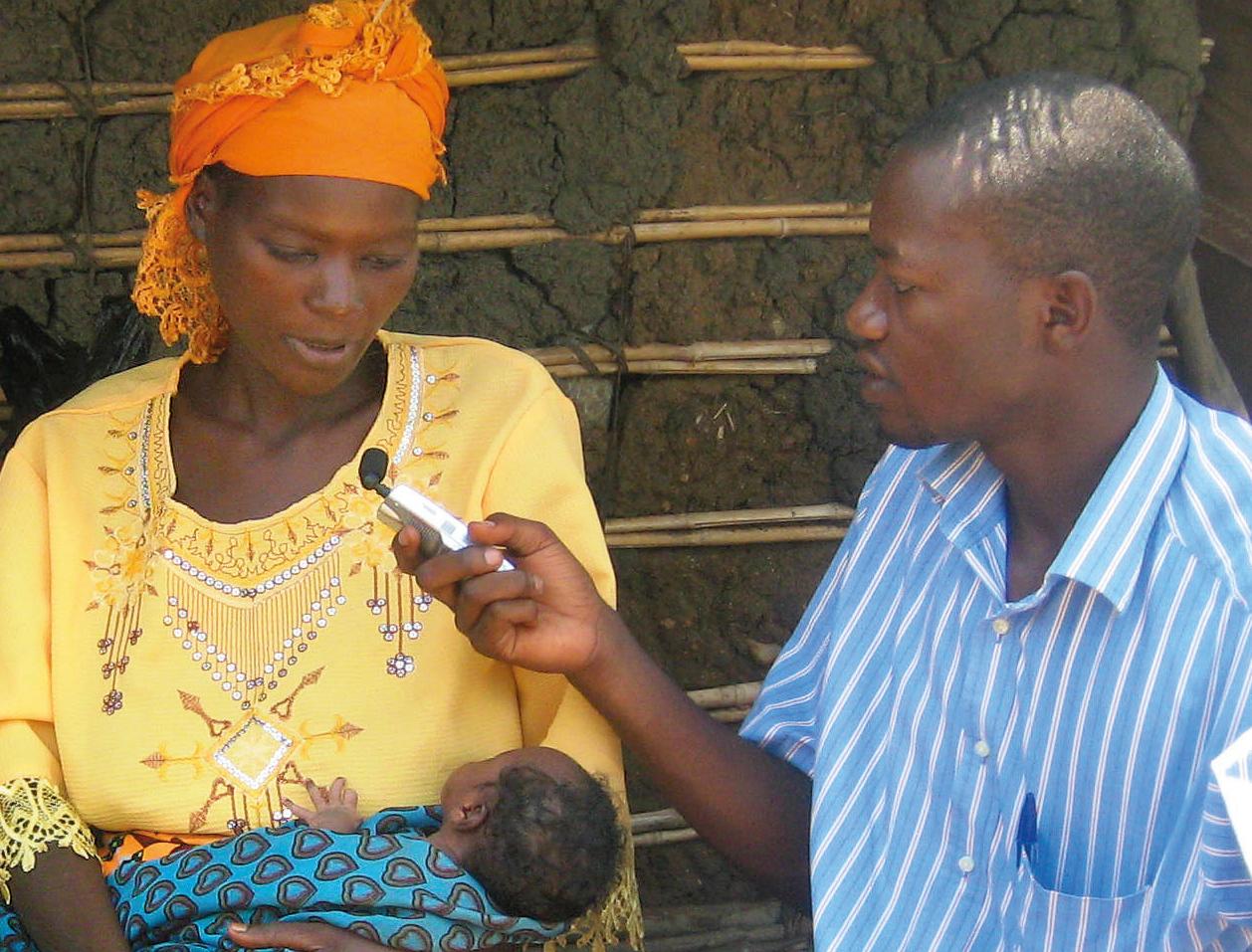
"At a time when Uganda’s reputation as a beacon of transformation is under sustained scrutiny, this case study focuses on one aspect of governance reforms: how donors can support the media to play its envisaged role in democratic governance."
This case study is part of a series of BBC Media Action research papers, including 5 case studies and a synthesis, discussing reasons why the media in each of the countries featured is constrained and how outside agencies and donors support free and independent media. Commissioned by Swedish International Development Cooperation Agency (SIDA), they are designed to describe the media landscape and media development (countries include Syria, South Sudan, Cambodia, Bangladesh, and Uganda) and set out best practice for donors to sustainably fund and support media internationally.
This document describes perspectives on the media and its role in governance in Uganda, and on donor-funded media development initiatives over the past decade, from interviews and discussions with media practitioners, academics, representatives of civil society, and donor organisations. "The case study finds that Uganda’s media scene is dynamic, with hundreds of radio and TV stations and newspaper titles, and plenty of public dialogue – especially on radio. It also finds a steady growth in the use of the Internet and social media." However, rural media faces increasing political censorship, and "[t]he media faces widespread public dissatisfaction with its editorial and ethical standards - a result, in part, of a lack of newsroom training and mentoring mechanisms and the profession’s inability to retain experienced staff on low wages."
As stated in the Executive Summary: "Donors have seen media development as part and parcel of governance programming - as a tool to grow the demandside of democracy and accountability." There has been donor coordination operating under the Deepening Democracy Programme (DDP) basket fund, as well as United States Agency for International Development (USAID) funding, most of the funding going towards capacity building programmes for media practitioners and media houses - especially in rural Uganda.
The research for this case study suggests that, beyond supplying information, the media needs to improve its capacity to explain and analyse, and be bolder in its defence of basic freedoms and institutional governance. It needs to take "an 'almost activist role' in protecting basic freedoms and championing constitutional rule and institutional governance." Media literacy is necessary to add the public to the process of creating public dialogue. A long-term view, such as building medium-to-long-term mentoring relationships between trainers and trainees rather than "short-term, 'number-crunching' workshops,...has a chance to engender significant shifts in the media culture....The case study concludes that the structure of the political economy of the media in Uganda requires donors to take a more institutional approach, putting strong media houses at the heart of media development initiatives to improve democratic accountability."
Email from Aoife Allen to The Communication Initiative on September 4 2012 and BBC Media Action website, September 12 2012.
- Log in to post comments