










































Community Malaria Programme in Ghana
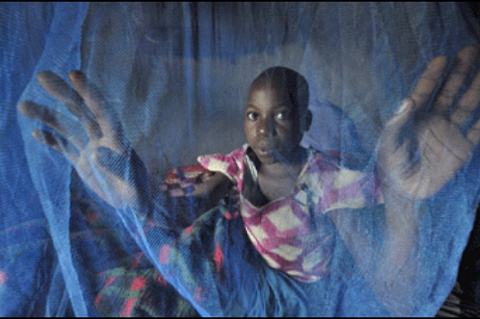
The project is working at the community level to improve early recognition of malaria illness and provision of appropriate treatment within 24-48 hours of symptom onset; improve knowledge, awareness, and preventive and health seeking behaviours; and mobilise the community. According to FHI, community stakeholders, including women's groups, village chiefs, and youth, are closely involved in the design, implementation, and evaluation of the programme. FHI-supported steering committees in each district identify and prioritise community-specific issues and propose solutions. To promote continuity and sustainability, FHI is coordinating efforts with national, regional, and local government, including the District Health Management Teams (DHMT) and the National Malaria Control Program.
Building on existing resources, FHI is training community health workers who are already a part of the community health system. The training emphasises early recognition of malaria symptoms and provision of treatment within 24 to 48 hours at the community level. These skills are designed to increase the capacity of community health workers and encourage sustainability. The project is also working to change people's perceptions and encourage the adoption of healthier behaviours, using a range of strategies to reach out to those most in need. Radio programme discussions, educational kits for home use, door-to-door campaigns conducted by trained community health workers, school-based interventions, and community malaria clubs are all intended to contribute to improved understanding of malaria illness and how to prevent, recognise, and treat it, including when to seek help at a health facility.
FHI has identified women, especially mothers, as key stakeholders. FHI is working with women to form Mothers Against Malaria (MAM) clubs in both Pru and Sene. These kinds of social clubs are popular in Ghana and serve as an interactive medium in which members share ideas and are empowered to take action to improve the lives of people in their community. FHI is supporting MAM clubs in designing community events, including radio listening events and campaigns to clean up standing water. By helping to educate women in the community about malaria, FHI seeks to provide them with the knowledge and confidence to manage the disease at home using ACTs. Similarly, FHI is encouraging school "Fight Against Malaria Clubs," where students aged age 10 - 17 are teaching their younger peers about malaria prevention and treatment. According to FHI, these kinds of peer systems will help not only address malaria, but also other health challenges.
Malaria
Recent data show that malaria continues to be the leading cause of illness in Ghana, especially among pregnant women and children under five. In the Brong Ahafo region, a largely rural, forested area, the malaria burden is among the highest in the country. The National Malaria Control Program (NMCP) reports that many people in Brong Ahafo experience up to seven malaria episodes per year; in some districts, malaria prevalence is as high as 90%. Households in Brong Ahafo often lack access to effective malaria-control tools, including long lasting insecticide treated bed nets (LLINs) and Artemisinin-based combination therapies (ACTs). But even those who do have access to these resources may not use them. Many people who own LLINs report not using them because the nets are in poor condition, or because the lack of ventilation in their sleeping area makes using the nets uncomfortable. And when preventive measures fail, few caregivers are able to recognise the symptoms of malaria and seek appropriate treatment. The continued use of mono-therapies to manage malaria, despite the availability of ACTs, is also an ongoing challenge.
Family Health International, Glaxo Smith Kline, Mission of Hope for Society Foundation, Search for Rural Development.
Family Health International website and Glaxo Smith Kline website on April 3 2012.
- Log in to post comments