










































Centre de Production des Programmes et Supports de Sensibilisation des Sourds (CPPS)
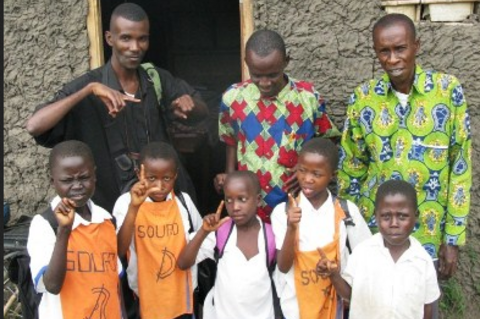
Launched in the Democratic Republic of the Congo in April 2009, the Centre de Production des Programmes et Supports de Sensibilisation des Sourds (CPPS) (loosely translated means "centre for the production of programmes and awareness materials for the deaf") works through theatre and other performance media to address discrimination towards deaf and hearing-impaired people and to educate hearing disabled people about health and social issues. The CPPS performance group is made up of deaf-mute and "hearing" actors, using theatre, music and video to communicate with both hearing and hearing impaired audiences.
Through theatre, CPPS works to facilitate access of hearing impaired people to information related to HIV/AIDS, tuberculosis, violence against women, and governance. They provide peer-to-peer awareness campaigns on health and sexual and gender-based violence (SGBV) issues. They also use civic education to create an understanding of the electoral process and encourage deaf-mute voter participation in elections. In addition, CPPS works to develop information programmes adapted to deaf audiences, including communication through appropriate sign language. As part of the programme, CPPS also conducts training for deaf people and for sign language interpreters.
CPPS's Mabin's Maboko theatre group is comprised of mixed hearing and deaf actors and focuses on intervention and participatory theatre. Mixing spoken word and sign language, the performances are intended for a mixed audience. According to CPPS, the actors use what might at first be considered as a disability as a strength. Since they communicate mostly without words, they find innovative means to communicate to a broad public: from children in the capital to village elders in remote areas. Up to 400 languages are spoken in DRC, but everybody can understand the messages communicated by CPPS, irrespective of language. This approach is intended to break down barriers between hearing and deaf people, as well as counter stereotypes and prejudices.
According to CPPS, the theatrical performances and video work provide members with opportunities for employment and income generation, which they would otherwise not have access to.
Disability, Rights
CPPS founder Freddy Mata Matundu won the University of Queensland's Communication for Social Change Award in 2011 in the individual category.
- Log in to post comments