











































Changes in FGM/C in Somaliland: Medical Narrative Driving Shift in Types of Cutting
Population Council
"Social norms theory contends the perpetuation of harmful practices (such as FGM/C), and the creation of beneficial new ones, may be attributable to social motivations involving an entire community’s beliefs and actions rather than simply those of individuals and their families."
From the "Evidence to End FGM/C: Research to Help Women Thrive" research programme of the Population Council comes this qualitative study, conducted in two regions of Somaliland where prevalence of female genital mulitation/cutting (FGM/C) is high. The study sought to explore:
- "Views and experiences of married and unmarried men and women on FGM/C and potential changes in its practice (in terms of age, cut severity , and medicalisation);
- Individual, family, and societal factors contributing to any changes, or continuation, of FGM/C;
- The knowledge, views, and experiences of health care workers who offer FGM/C services (including corrective services as well as potentially medicalised versions) and their role as change agents rather than providers, and;
- How health care systems’ capacities can be strengthened for management and prevention."
The methodology included key informant interviews, in-depth interviews, and focus group discussions with people of both genders, married and unmarried, between 20 and 49 years old. The study was carried out in both rural and urban areas and included healthcare workers with familiarity managing FGM/C procedures. Community focus group discussions were also conducted "among those who had been exposed to anti-FGM/C programmes in the preceding six months. Thematic data analysis used template analysis..." based upon social norms theory and drawn from study questions and data collection tools. In addition, two key Somalilander stakeholders "with extensive experience working in FGM/C" did data checking for veracity of researchers' interpretations.
Results from 280 participants showed:
- A less extensive type of cutting was more frequently used on girls, especially in urban locations, because it was viewed as milder.
- The milder form was thought to be supported by religious teachings, while the more extensive was viewed as culturally inherited.
- "The change in the type of cut practiced was attributed primarily to awareness generation and issue sensitisation in the community by two groups: health care workers and religious leaders."
- There appears to be a decrease in age when the cutting is preformed (down to 5-8 years old) because: 1) older girls may refuse the procedure; 2) parental authority is seen as being in the best interests of the child; and 3) it is justified as traditional.
- There is evidence of "medicalisation" of the cutting - the procedure done by health professionals.
- Respondents sometimes conflated abandoning the practice with using a modified practice.
- "Positive attitudes towards abandoners arose mainly from health care workers who encouraged abandonment of FGM/C due to the health complications experienced by girls."
- Providers, especially in rural areas, have no training for treatment of complications resulting from the procedure.
The study concludes that normative changes appear to be occurring in Somaliland, indicating a readiness for change, but the change is not the abandonment of the practice but, rather, a transition to a more socially acceptable version - one that does not break the continuity of the practice. "The fact that social norms are in a contested state of flux...suggests an opening for advocates to contribute to the ongoing dialogue. However, that contribution should also extend beyond the medical narrative emphasizing the negative health consequences of the practice and harm reduction as a driving consideration, and move the discussion to issues around bodily autonomy and individual informed consent...as part of a human rights-based approach that emphasises children's rights."
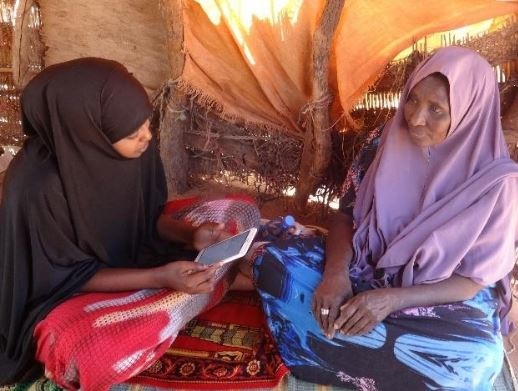
Population Council website, December 19 2018. Image credit: Katy Newell-Jones from data collection in Somaliland
- Log in to post comments