










































Maternal Influenza Immunization: Perceptions of Decision-Makers, Health Care Providers, and the Community In Malawi
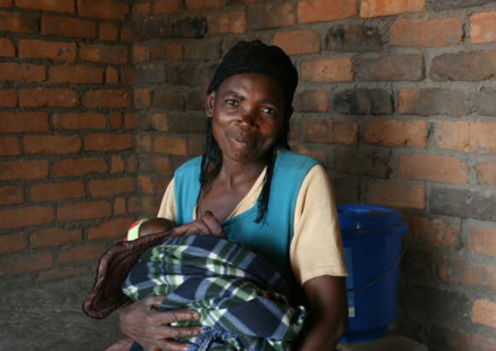
PATH
In 2014-2015, PATH and the University of Malawi's Centre for Social Research conducted formative research to gather the perspectives and viewpoints of a broad spectrum of key stakeholders in the maternal immunisation arena in Malawi. The context of the research: Malawi had not yet introduced the influenza vaccine for pregnant women, but has a strong maternal tetanus immunisation programme. Researchers documented information and lessons learned around maternal immunisation, including the vaccine policy decision-making process, potential programmatic implications of vaccine delivery for pregnant women, and perceptions and concerns about influenza disease and influenza vaccine among community members and health workers. This report shares the results of that study, which was intended to provide information useful to vaccine introduction decision-makers, rather than directly advocate for maternal influenza vaccine adoption in Malawi.
The World Health Organization (WHO) and PATH formed the Maternal Influenza Immunization Project in 2014. As a component of this project, PATH conducted this qualitative research, which involved 273 individuals from 3 districts representing the Northern, Central, and Southern regions of the country (Rumphi, Dowa, and Zomba, respectively). Respondents included: pregnant women (both users and non-users of antenatal care (ANC) and immunisation services), family members of pregnant women (including husbands and female family decision-makers such as mothers or mothers-in-law), community leaders, health workers, regional public health programme managers, and national-level programme coordinators and policymakers. They participated in focus group discussions (FGDs), semi-structured interviews, clinic exit interviews, or key informant interviews.
This report organises study findings into 3 areas:
Maternal immunisation delivery strategies - The report outlines Malawi's approach of combining the ANC platform with immunisation outreach to maximise coverage of maternal vaccines. It also lays out perceived challenges with: reaching pregnant women with a vaccine solely for women who are pregnant during, or just prior to, the influenza season; changing vaccine formulations annually; and monitoring vaccine administration and tracking adverse events. For example, data on adverse events following immunisation (AEFI) are not currently recorded in Malawi for any vaccines.
Recent vaccine introductions in Malawi include pneumococcal conjugate vaccine in 2011, rotavirus vaccine in 2012, and human papillomavirus vaccine (HPV), through demonstration projects, in 2014. As a result of those experiences, research participants identified several factors that would be key to successfully introducing a new vaccine, including: Carry out proper social mobilisation of community members to increase vaccine acceptance, help dispel misconceptions, and reduce vaccine resistance based on misinformation.
Maternal immunisation communication strategies and community mobilisation - The study found high variability in general knowledge of influenza at the community level. There is no direct translation of the word "influenza" in either of the primary local languages used in the study areas. Most pregnant women identified Health Surveillance Assistants (HSAs) as their primary resources for information on vaccines. HSAs conduct home visits during which they check the health passports of pregnant women and encourage those due for immunisation to go to the health facility. Some health workers also conduct sensitisation meetings in the communities about the importance of vaccination. Some first-time mothers also cited family members as sources of information for health care during their pregnancies. Throughout all study areas, village chiefs were also cited as playing an important role in encouraging uptake of health services, including vaccination in pregnant women. The government encourages male involvement in ANC, and in some areas, women are preferentially treated at health facilities if accompanied by their partners.
The study found high acceptance of vaccination during pregnancy by pregnant women, community members, and health workers in Malawi. Moreover, neither women, their social networks, nor health workers expressed concerns when asked about sensitivities around receiving two vaccines at the same time during pregnancy (for example, tetanus toxoid (TT) and influenza vaccines). Pregnant women and community members identified several interventions that would encourage women to seek vaccination during pregnancy, including: information regarding the purpose and benefits of the particular vaccine and any consequences of not receiving it; information on expected side effects of the vaccine; and encouragement from village chiefs. The importance of community education in vaccine acceptance was highlighted by both health workers and community members.
Pregnant women and community members cited some challenges to accessing health care during pregnancy (e.g., unfriendly attitudes of health workers and/or perceived coercion to accept services), as well as barriers to receiving vaccines during pregnancy (e.g., concern that an injectable contraceptive could be added to vaccine formulations or that vaccines may actually be a contraceptive).
Political support and advocacy for introducing maternal influenza immunisation - The report outlines the situation with vaccine policy development in Malawi and explains how maternal influenza immunisation fits with Malawi's current health priorities. Key stakeholders at the national level highlighted several communication-centred issues relevant to future efforts to introduce a new vaccine for pregnant women:
- Advocacy and communication are critical elements of vaccine introduction.
- Communication efforts should emphasise the benefits of influenza vaccination to both the pregnant woman and her infant.
- Simple, direct communication messages are recommended, such as, "If you are pregnant, come!" This facilitates simple, accurate translation into local languages.
The final section of the report discusses opportunities (e.g., strong vaccine acceptance) and challenges (e.g., lack of monitoring systems) to maternal influenza vaccine introduction in Malawi and offers recommendations for activities that could further inform policy decisions, if the country considers adding this intervention to its immunisation programme in the future. One example: Identify the communication and advocacy strategies that have been most effective in support of TT vaccination for women of childbearing age, and evaluate whether similar messages would be appropriate for the pregnant woman audience. In addition, incorporating lessons learned from recent immunisation programmes could be drawn upon for informing decision-making around new vaccine introduction in Malawi and in guiding programme design to achieve maximum coverage.
PATH website, September 27 2018. Image credit: PATH/Siri Wood
- Log in to post comments