










































Scaling Up Livesaving Commodities for Women, Children, and Newborns: An Advocacy Toolkit
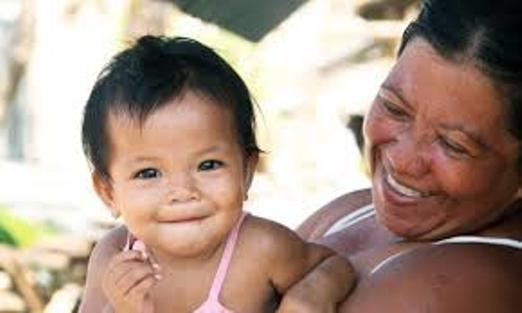
This advocacy toolkit provides information about the UN Commission on Life-Saving Commodities for Women and Children (the Commodities Commission), its 13 priority health commodities (items that can prevent and treat many of the leading causes of death in women, infants, and children), and examples of how its 10 recommendations to improve access and availability are being applied globally and within countries. It also provides advocacy resources for utilising the Commodities Commission platform to raise awareness and engage stakeholders in addressing commodity-related gaps in policy. The toolkit was designed to present critical information to policymakers, development partners, programme implementers, health professionals, private-sector leaders, civil-society activists, and community members in their role as advocates.
The 13 priority reproductive, maternal, newborn, and child health (RMNCH) commodities include:
- Reproductive Health - female condoms, contraceptive implants, emergency contraception;
- Maternal Health - oxytocin, misoprostol, magnesium sulfate;
- Newborn Health - injectable antibiotics, antenatal corticosteroids, chlorhexidine, resuscitation device; and
- Child Health - amoxicillin, oral rehydration salts, zinc.
The toolkit is divided into four sections: one on information; another on advocacy strategies that are detailed below; a third on messages that can be used to inform audiences and engage with stakeholders and decision-makers; and a fourth that gives an overview on the prioritised maternal, child, and newborn health and contraceptive commodities.
The advocacy section, titled "What you can do", is geared to help develop or refine RMNCH plans based on a country's needs and to generate support for expanded access to the life-saving commodities. Example advocacy activities can guide countries with established plans and funding and countries working under the Every Woman Every Child initiative.
Across the spectrum of countries, this toolkit recommends working with Ministries of Health and other partners to ensure that the Commodities Commission, the 13 commodities, and the 10 recommendations are featured in national and sub-national policies and programmes.
The toolkit includes a draft policy brief, press release, letter of support, and an advocacy strategy development template. The content for these PDF documents can be modified to include simple information (your country's name). For example, the letter of support can be modified to be easily signed by any number of individuals or organisations that wish to show their support for a national commodities plan.
The advocacy strategy development template includes critical questions advocates can ask themselves that will be the basis for formulating an advocacy strategy and the steps to implement such a strategy. The "what there is to say" section then outlines a series of messages for adapted use in any advocacy campaign or activity to explain the importance and the urgency of action with regards to the commodities. The toolkit provides information about each of the commodities along with specific advocacy actions that may be useful/necessary for increasing access to each item. For example, under chlorhexidine, used in umbilical cord care, a specific action is listed: "advocate for provision of technical assistance to support select local or regional manufacturers in producing high-quality product and implement incentives to encourage manufacturers to seek prequalification."
91
The PATH website on January 21 2014, and email from Katelin Gray on January 30 2014. Image credit: World Vision website
- Log in to post comments