










































Raising Debate to Improve Access to Sexual and Reproductive Health Information and Services in Bangladesh
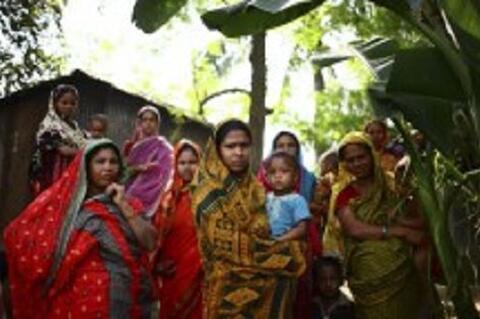
The project was envisioned as the first phase of a 3-year programme to work with researchers, journalists, the public, and affected communities in Bangladesh to spark informed and inclusive debate on SRH information, rights, and access to services, informed by health research.
The project used a mix of strategies to improve media coverage on SRH issues in Bangladesh. The action-research component comprised of a media scan to identify gaps in coverage of SRH issues and research and views of key actors. The media scan and mapping served to establish baseline information that evaluated the current levels of media coverage on SRH and assessed content. It was done on the news/programmes of three leading national dailies, one regional newspaper, state-owned electronic media, and a private television channel for the period of six months to get an idea about the status of recent media coverage of health related issues. Questionnaires and interviews were used to determine the attitudes, experiences, and views of key stakeholders.
Multi-stakeholder engagement was also part of the strategy. Editors, journalists, researchers, and civil society organisation (CSO) actors came together in a forum to discuss findings and generate ideas for improving media and public engagement on SRH. During the forum, panelists from the media joined a World Bank senior consultant and the General Secretary of Bangladesh to address some challenges for the media and health policymakers - from the reality of high mortality rate of children and mothers, STIs, and violence against women. Health reporters and writers from the media were also present to share their views. The proceedings were recorded and documented, with some analysis provided by a rapporteur. Questionnaires have been sent to journalists from the workshop to identify any media coverage resulting from the stakeholder forum.
What emerged was a policy brief that drew on documentation and analysis from the scan and forum. Dissemination lists and numbers are being recorded and uptake and feedback will be tracked and logged. Questionnaires have been sent to forum participants from media, research, and CSOs to gather feedback on what they felt was achieved, whether they have taken any action as a result, and how they think the project should be followed up to increase its potential impact.
Project learning will be consolidated and shared widely with donors, policymakers, northern and southern research institutions, and healthcare practitioners in an effort to improve access to SRH information and services in Bangladesh and beyond.
Sexual and Reproductive Health.
The World Health Organization (WHO) states that unsafe sex is the second leading cause of disease, disability, and death in the developing world. Globally, over 340 million people acquire new gonorrhoea, syphilis, chlamydia, or trichomonas infection. However, deaths resulting from SRH problems are largely preventable. Even though HIV prevalence in Bangladesh is low, there is low condom use, high turnover of clients of sex workers, and little knowledge of HIV and AIDS. Coupled with the effects of globalisation, rising age of marriage and rapid urbanisation have contributed to the heightened risk of sexually transmitted infections (STIs), HIV and AIDS, and unwanted pregnancies. According to project organisers, there are inexpensive, effective interventions that could prevent unintended pregnancy, provide safe abortions, help women safely through pregnancy and childbirth, and prevent and treat STIs. Medical science may have the answers, but SRH issues remain invisible and taboo. This project endeavoured to improve communication and engagement around SRH issues in Bangladesh - especially amongst groups most at risk, who face limitations to discussing the SRH issues which affect them and face obstacles to demanding SRH services appropriate for their needs.
Furthermore, organisers state that there is a need for wider and more informed coverage of the issues and for scrutiny by the media of the responsiveness and adequacy of health services and plans, including scrutiny of the responsiveness to the needs of the most vulnerable. In short, journalists need support to cover SRH issues well.
In that context, in 2007 Panos London Relay programme and Realising Rights Consortium developed an SRH briefing that identified several issues that limit people's access to sexual and reproductive healthcare in the developing world. Moreover, the findings revealed that the media can play a role in getting important SRH issues to be debated publicly, as they can criticise claims made by traditional healers and health researchers alike. It was these findings that laid the foundations of the project to encourage journalists, civil society, and researchers to critically engage with research on SRH.
The media scan revealed that, while health was covered in all leading dailies and electronic media, coverage on SRH issues was considerably less. Other findings:
- HIV/AIDS and violence against women were most featured.
- Sexuality and adolescent (especially male adolescent) SRH and related rights and issues, as well as those of sexual minorities such as homosexuals, were found to be mainly absent.
- Reporting was rarely based on research and often lacked validation and attribution of statements.
- Press conference reports, verbatim use of statements, press releases, and transcriptions of expert "media roundtables" are regularly used as the basis of coverage - rather than in-depth investigation of issues.
According to organisers:
- The media scan revealed many gaps in the media's coverage of SRH issues, which helped make a stronger case for why/what actions should be taken to address the situation. It highlighted some issues within the field of SRH that were being missed, even though they affect a considerable proportion of the population such as maternal mortality and adolescent pregnancies.
- As a result of the stakeholder forum, champions in research, media, and human rights sectors emerged, committing to supporting their colleagues and other actors to engage and build stronger links to improve media engagement around SRH.
- This project highlighted the need for media coverage on SRH and research to be sustainable. A policy briefing (titled "Unrealised Potential, Forgotten Priorities: Improving Reporting on Sexual and Reproductive Health in the Bangladesh Media" (please see contact information below to request a copy via email) outlines recommendations for researchers, the media, policymakers, and civil society organisations on how to include underreported SRH issues and research.
This Wellcome Trust-funded project was developed by Panos London Relay and Realising Rights Consortium and was implemented by BRAC University Public Health, Bangladesh, A4 Consultants, Bangladesh, and IDS, UK.
Email from Siân Aggett to The Communication Initiative on October 11 2010; Recently funded International Engagement Awards [PDF]; "SRH Issues Get Better Media Coverage", The Financial Express; email from Tania Ghosh to The Communication Initiative on November 8 2010; and Relay website, September 28 2011. Image credit: M B Akash - Panos Pictures
- Log in to post comments