










































Young People’s Views and Perceptions Regarding Female Condoms
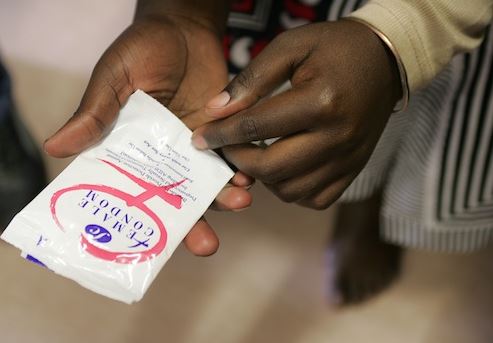
This 22-page report shares findings of a qualitative study conducted by Pakachere Institute for Health and Development Communication in Malawi to explore views regarding condom use among young girls and boys aged 15 to 24. Conducted in semi-urban communities of Blantyre, the study findings will be used to design and develop tools for teaching young girls and boys about the female condom. According to the report, there is a great need for awareness raising and communicating information about not just the benefits of the female condom, but also proper use and where to access them.
The report outlines the following findings from the research:
- Views about condom use: Findings show that most young people are aware of condoms and their importance. Almost all groups reported that condoms are good especially among those who cannot abstain. Almost all respondents said that condoms are good for prevention. Findings show that most young people are aware that condoms protect them from various things such as HIV, STIs, and early pregnancies.
- Views about Female Condoms: The views expressed were dependent on the level of knowledge of the participants regarding female condoms. While some said that they like the female condom because it is not easy for it to break unlike the male condom, some said that they like it because they are protected from partners who deliberately break the condom. Both male and female respondents expressed the view that most people do not know how to use the female condom. Participants who had knowledge reported that they feel much safer because they put it on in advance so that their partners don’t realise that they are using a condom. Others mentioned different reasons why they did not like the female condom. For male respondents, they said that they like the male condom because it is the one they are used to. Female respondents mentioned that it causes pain.
- Views about using the female condom: Some respondents said it is difficult because most women do not know how to use it and they do not use it regularly. Some said that it is difficult to use because of the rings. The view that female condoms give problems when inserting was also shared by male participants. Some male respondents who had ever used the female condom reported that sex with a female condom is not enjoyable.
- Preference between male and female condom: Some participants, especially girls, said that they preferred the female condom because it protects from partners who want to have unprotected sex. Some said that some partners cheat by pretending that they have put on a condom yet they break it deliberately, thereby finding themselves having unprotected sex. Respondents also said they preferred the female to the male condom because the female condom rarely breaks. Findings from this study show that knowledge and accessibility of female condoms is a problem. Male respondents reported that most girls are not aware of female condoms. They also said female condoms are not readily available and if available they are found in places such as bars and saloons which do not have privacy.
- Reasons for not using the female condom: Findings show that there are various reasons why young females do not use female condoms which range from knowledge, access, peer pressure, and stigma related to the female condom. Lack of knowledge was expressed in terms of the inability to use the female condom and the misconceptions that young women are exposed to regarding the female condom. Both male and female respondents also reported that misconceptions about the female condoms make them unable to use the female condom. These included the belief that it can go into the stomach and that the lubricants can cause cervical cancer. Male respondents reported that there are myths about the female condom that it can get stuck in the vagina or be pushed into the womb during sex.
- What young men say about female condom: Findings show that young men generally do not like female condoms. Respondents reported that young men think that girls who use female condoms are infected, untrustworthy, and that they do not love the boyfriend. Findings also show that some young men say the decision over condom use should be made by the person who made the proposition. One of the reasons given for not liking it was that it is scarce, but they also said that there has not been enough education on how to use the female condom.
- Suggested ways of accessing condoms: Respondents reported that places such saloons, hospitals, bars, youth clubs, and condom distribution agents are some of the potential places where they can access condoms. Hospitals were mentioned because they said you can be provided with counseling on how to use the female condom. They also mentioned the private clinic (nongovernmental organisation - NGO) Banja La Mstogolo where they can easily access and be counseled on how to use them. Respondents also suggested the use of distribution agents because it would make girls more comfortable to deal with the distributor in person. Findings also show that youth clubs were a preferred source of female condoms. Respondents said that club chairpersons would be responsible for collection of female condoms on behalf of the club. Some respondents also said that through youth clubs, they would be told how to use the female condom. It should be pointed out that for all suggested distribution points, respondents mentioned an element of education on how to use the female condom. Respondents reported that toilets provide a private space which can make access to condoms easy.
- Education: Respondents were asked what they wanted to know about the female condom. Some respondents reported that they have never seen a female condom and wanted to know how it looks. Findings show that some young people had never seen the female condoms but had heard about it. Some said that they wanted to know how big the rings were because they had only heard about them. It is noteworthy that most respondents, both those who had ever seen it and those who had just heard about it, wanted to know how to wear it. They also said they wanted to know for how long they should wear it before having sex and how many times they can use the female condom. Some respondents said they would like to know if the female condom has any side effects. Male respondents mentioned that they would like to know if a woman feels comfortable after putting on a condom. They also wanted to know what she would do if she wanted to urinate.
The report makes the following recommendations based on the research findings:
- There is a need for scaling up education on the use of the female condom among both males and females. This should also include dispelling of myths and misconceptions about the female condom.
- The female condoms need to be readily available in appropriate places where girls can easily access them. Use of youth clubs is one way that study respondents recommended.
- There is also a need for continued reference to both male and female condom use in any situation where condom use is being discussed.
- Promotion of female condom must target both males and females and promote dialogue and discussion over use of both condoms.
Email from Tafadzwa Madondo, Soul City Institute for Health and Development Communication, on October 31 2013.
- Log in to post comments