











































Using Radio to Drive Development in Southern Africa
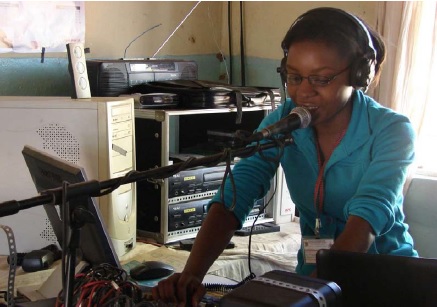
This 39-page final report discusses the experience of the Radio Platform for Community Development (RPCD) project and the use of radio listening clubs to engage marginalised communities in development debates. Panos Institute Southern Africa (PSAf), with funding from the Open Society Initiative for Southern Africa, supported 15 radio stations in Malawi, Mozambique, and Zambia to work with radio listening clubs as a platform for gathering community content. According to the report, the approach created an interface between the media, duty bearers, and economically poor and marginalised communities to identify and implement solutions to their development challenges.
The report outlines the key interventions used in the project: mapping and community mobilisation; setting up and strengthening Radio Listening Clubs (RLCs); programming support; training and capacity building; mainstreaming gender; equipment and technical support; and networking and content sharing. PSAf provided technical and programming support to produce content on issues such as health, education, agriculture and food security, environment, and climate change, among others. The project also facilitated exchange programmes between the participating community radio stations.
According to the report, the project successfully achieved its objective of engaging communities and duty bearers in identifying developmental issues in their communities and participating in debate, using radio as the platform. "The project assisted the participating radio stations to establish a stronger presence in their communities through the RLCs, enhance their interaction with audiences, and improve content development and programming that responds to community development and information needs." The radio stations produced more community-centred development inclusive of the rural economically poor and the marginalised, facilitated communities' dialogue with policymakers, and provided a space to hold leaders accountable in areas such as agriculture and education resources.
The report outlines a number of challenges which PSAf and the stations overcame in order to achieve the project objectives. Poor connectivity hindered phone and email communication, and most community radio personnel and RLC members struggled to share programmes because of limited technical capacity. It was sometimes difficult for the radio station personnel to meet with the clubs due to lack of transport and inaccessible locations, especially during the rainy season. In some cases, programme experts expected remuneration for appearing on the programmes; in others, RLCs themselves lacked enthusiasm and understanding of the RLC approach. Lastly, radio stations are usually staffed by interested local volunteers, and many lack basic programming and journalistic skills.
The report notes the following lessons learned:
- "Linkages between radio stations and traditional authorities leads to effective citizens' participation in governance processes at national level: The local radio stations serve as a link between the different groups in society, despite their different limitations in playing this role."
- "Technical support: Both the radio stations and community members (RLCs) require a lot of technical support in the form of equipment and directions of use in order for them to effectively generate and share content."
- Transport: Rural-based community radio stations usually cover vast geographical areas, and their limited resources hinder travelling long distances to interact with the communities. At the same time, poor mobile phone connectivity makes physical visits and the radio announcements the only ways of interacting with the community. Transportation support (e.g., motorbikes) would enable the stations to cover much ground.
- Local language: Broadcasting in the local language is more appreciated by the community members, as it promotes a sense of ownership and enables community members to develop a sense of identity expressed through the radio station.
- "Diversity of issues: It is important for the RLC discussions and radio programmes to cover a variety of issues in order to inspire increased participation by community members, and enable the radio stations and thematic experts to determine the level of knowledge that different communities have on different issues."
In order to ensure sustainability, the project approach always allowed the participating community radio stations/initiatives to own and drive the process, thereby building capacity and a sense of ownership. In addition, RLCs were formed through already-existing community structures like cooperatives, home-based care clubs, safe motherhood clubs, cooperatives, etc., which enables the group to continue interacting beyond the time limit of the project. However, in order to strengthen this foundation for sustainability and in order for the RLC to become stronger and endure over a longer period, the report makes the following recommendations:
- establish linkages with traditional leaders, which creates a much-needed link between the community members and the traditional leadership through the local radio;
- provide technical support to the radio station and community members, such as radios and recorders;
- build capacity of community members and community radio station personnel to ensure they continue using the skills and equipment effectively, even after the end of the project;
- provide continuous on-site training;
- build the capacity of community radio broadcasters to broadcast more in the local languages, which may mean providing technical and thematic training in local languages.
Panos website on June 30 2014.
- Log in to post comments