











































UNDP's Engagement with the Media for Governance, Sustainable Development and Peace
"Novel media challenges now coexist alongside long-standing challenges to media freedom and independence."
This report features 13 case studies that highlight the range and impact of United Nations Development Programme (UNDP)'s engagement with the media for the purpose of striving toward the Sustainable Development Goals (SDGs). To illustrate "media engagement", the report includes a variety of interventions that are meant to promote both free and independent media and the capacity of social and state actors to use the media to advance inclusive governance, development, and peace. In addition to the 13 in-depth examples, interspersed throughout the report are snapshot summaries of other UNDP media initiatives being implemented worldwide. By delving into the challenges and lessons learned across UNDP's initiatives, the report seeks to contribute to broader debates among a range of stakeholders on how to design more effective and sustainable policies and programmes to support the media.
To provide context for the examination of UNDP's work, the report looks at the transformation of the 21st-century media landscape. Thanks to the proliferation of information and communication technologies (ICTs) that have created new spaces for dialogue and exchange, the past few decades have seen a global revolution in the ways in which people access, consume, and share information. New challenges (e.g., the viral spread of "fake news") and opportunities brought about by these transformations now intersect with longer-standing challenges to media pluralism, freedom, and independence. For one thing, "in many places there has been a retreat from basic democratic norms, which has included a denigration of the public value of free and independent media."
In this context, the report builds on broader UNDP efforts at promoting the media's role in development, including an expert roundtable hosted by the Oslo Governance Centre in November 2017 on the role of media in promoting peace in conflict-prone settings. Tata collection, analysis, and drafting of the report spanned the period between July 2018 and October 2018. First, mapping was conducted to identify promising practices and broader trends in UNDP's work with the media, most of which were undertaken from 2016 to 2018. Following a desk review of internal and externally available documentation and materials, key informant interviews were conducted with UNDP staff and project partners for each of the initiatives.
UNDP's media-related initiatives can be classed under 3 broad and interconnected areas of engagement, exemplified by the 13 case studies in the report:
- Promoting enabling environments - normative, legal, and regulatory - conducive to free and professional media;
- Leveraging the potential of media outlets to be actors for peace and development; and
- Developing the capacities of social actors and governments to use media channels to achieve specific development aims.
The case studies exemplify the fact that UNDP's initiatives are often implemented through a combination of these approaches. For instance, while working to strengthen the capacities of news outlets to cover issues surrounding the extractives industry in Kenya, UNDP also supported nationally televised shows to facilitate dialogue among affected local communities, government actors, and representatives of the extractives industry. UNDP is also working with non-traditional media actors, such as citizen journalists, bloggers, vloggers, and social media influencers, many of them young people. A focus of these efforts has been on enhancing the capacities of new media actors to engage in ethical, accurate, and credible reporting and analysis - ultimately, UNDP hopes, supporting their role as agents of change.
The case studies showcase some of the sweep and diversity of UNDP's media initiatives within the following core issue areas:
- Promoting inclusive governance and accountability - case studies include:
- Sierra Leone: A holistic approach in support of free and independent media
- Georgia: Strengthening civil society's role in monitoring the media for credible and inclusive elections
- Kenya: Engaging media actors on the extractives industry
- Moldova: Training journalists to engage with open data for transparency
- Sudan: Using the media for citizen feedback to support basic service delivery
- Engaging with the media for conflict prevention and peacebuilding - case studies include:
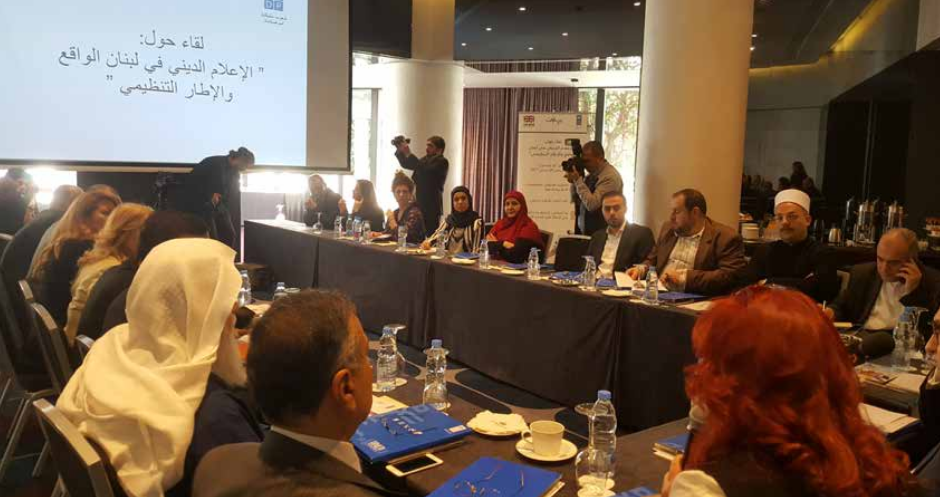
- Lebanon: Supporting the media to strengthen peaceful coexistence
- Asia and the Pacific: Using social media storytelling to prevent violent extremism
- Fostering participation and localising the 2030 Agenda for Sustainable Development - case studies include:
- Lao People's Democratic Republic: Empowering rural communities through radio
- Brazil: Partnering with a Brazilian TV station to reach audiences on the SDGs
- The Maldives: Using filmmaking to amplify young people's voice on the SDGs
- Supporting gender equality, inclusion, and human rights - case studies include:
- Costa Rica: Using social media to promote gender equality and lesbian, gay, bisexual, transgender, and intersex (LGBTI) rights
- Albania: Engaging the media to fight discrimination against Roma and Egyptian people
The case studies illustrate a number of strengths UNDP brings to the table, such as "UNDP's extensive in-country networks and long-standing relationships at different levels", which "have enabled it to strategically facilitate collaboration among global, regional, national and local media partners, civil society actors, citizens and governments."
As outlined here, challenges and opportunities for UNDP's engagement with the media going forward include:
- Mobilising UNDP's capacities to strengthen its expertise on media engagement policy and programming;
- Encouraging the implementation of new media projects and initiatives across key areas of work (e.g., fostering participation in SDG implementation and crisis response outcomes);
- Sharpening UNDP's focus on supporting enabling environments for free and independent media;
- Growing UNDP's partnerships on media engagement for sustainable development and peace;
- Adopting a more coherent multilevel (global, regional, and national) approach to media engagement for sustainable development and peace;
- Scaling up UNDP's use and adoption of inclusive media technologies to ensure that no one is left behind;
- Addressing fake news and the challenges of a changing media landscape;
- Collaborating with partners to promote the financial sustainability of news outlets; and
- Including voices and experiences from the Global South in wider policy discussions: "Their experiences are vital for understanding the ramifications these [media ecosystem] transformations are having on the ability of governments and other stakeholders to foster inclusion, stability and peace."
The report is part of a new UNDP workstream aimed at promoting more informed societies and will guide UNDP's ongoing commitments to support the role of free and independent media globally, including as a member of the UN Focal Point Network for the Implementation of the UN Plan of Action on the Safety of Journalists and the Issue of Impunity.
UNDP website, December 2 2019. Image credit: UNDP Lebanon
- Log in to post comments