











































Towards Improved Management of HIV Prevention Activities: Practical Experiences from the Capable Partners (CAP) Botswana Project
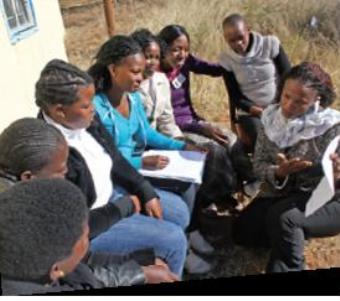
From the Capable Partners Project (CAP) and FHI 360, this publication documents the implementation process and experiences of the United States Agency for International Development (USAID)-funded CAP Botswana capacity building project that supported a number of non-governmental organisations (NGOs) working in HIV prevention in Botswana from 2008–2011. The purpose of the project was to strengthen community-based responses to HIV prevention implemented by civil society organisations (CSOs) and help the organisations develop into strong and effective partners in the national HIV and AIDS response.
From the Introduction:
"The CAP Project conceptual model, implementation processes, major activities, tools used and key results are outlined in this publication. Case studies and practical examples that capture personal experiences and community insights regarding HIV prevention have also been included....
By January 2011, CAP Botswana awarded 12 grants to local CSOs in 13 districts to support HIV and AIDS prevention activities. The project also provided technical assistance (TA) to strengthen the organisational and professional capacities of these local NGOs, [faith-based organisations (FBOs), and community-based organisations (CBOs) implementing HIV prevention programmes in Botswana], and offered support to local CSOs through the Peace Corps Small Community Grants Programme to design projects for funding and prepare grant applications, which resulted in 19 small grants....
The CAP model for capacity building ...involves a cyclical process that includes assessment, prioritisation, planning and provision of technical assistance (TA)." This document outlines the CAP implementation process, including using planning tools such as:
- "Evidence-based training
- Community Mapping
- Community Outreach Worker Implementation Plans"
It describes HIV prevention technical support including:
- "Tailored training
- BCC [Behaviour Change Communication] Basics workshop
- BCC It’s About Change Workshop
- Communication Guide Development
- Risk Reduction Planning and Support (RRAPS) Tool"
Also included are programme management tools and processes such as:
- "BCC Trainers of Trainers (ToT) workshop
- Routine Field Supervision Checklist
- Quarterly Performance Review Meetings
- Monthly Supervision Meetings, Data Analysis and Feedback"
Monitoring and evaluation technical support includes:
- "Data Collection and Data Quality System and Tools
- Process evaluations
- Strengthening M&E systems
- Checklist of CAP tools"
For access to this manual, please contact FHI 360 through the contact information below.
English
46
Email from Sarah Torrance to The Communication Initiative on November 9 2011.
- Log in to post comments