











































Somali Youth Speaks: Formative Findings from Somalia's Regions
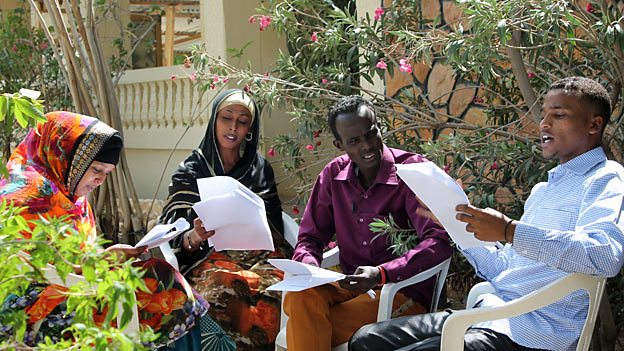
"Formative research highlighted the shared concerns of Somalia’s youth and their aspirations for the future to inform the production of an interactive drama and radio phone-in."
The goal of this formative research was to inform the production of Somali radio drama Maalmo Dhaama Manta (A Better Life than Today). This weekly youth-driven Somali-language programme "is linked to a discussion programme to help young people talk about these issues as well as some of the opportunities in front of them....[The Somalia Stability Fund contracted BBC Media Action] to support the development of an audience responsive media sector across Somalia - and to contribute to an understanding of citizenship and identity, particularly amongst youth, through drama programming. A large component of this project is capacity strengthening of partner radio stations to bring youth issues into their programming - as well as building their skills in audience responsive programming."
In August 2014, 18 focus group discussions with urban and rural Somali youth and 9 in-depth interviews of youth leaders and media experts were held. The youth radio project focuses on the largest segment of Somalia's population, as well as the age range most margnialised and excluded from decisionmaking. While Somalia undergoes significant change, it was felt that the youth [population could be engaged through "increas[ing] awareness and knowledge of social and community issues affecting youth, with a view to promoting tolerance of diversity and coexistence."
Key findings include the following:
- "Participants described Somali youth as being ...in an ideal position to contribute to the current and future development of their country.
- ...[Y]outh feel frustrated...by elders who perceive them to be inexperienced
- ...[Youth commonalities include] the Muslim religion, Somali language, tradition and oral culture, and social values and characteristics.
- Common concerns...include lack of access to, and poor quality, of education, unemployment, health, illegal migration (‘jumping to the ocean’) and lack of opportunities to participate in politics and governance. Insecurity and conflict was a key concern in South Central Somalia but less so elsewhere. Females were particularly concerned about rape and its physical, psychological and social consequences.
- Youth were critical of the media, saying that standards of media professionalism are low and that youth issues are not sufficiently tackled.
- Participants said that ideal programmes for youth should be participatory, interactive, cover youth issues, involve specialists and experts, be creative, entertaining, showcase the commonalities of youth across regions, have a broad international scope and be long-lasting with a sustainable impact."
The researchers conclude that media can empower Somali youth, especially using role models and stories of success. It recommends "establishing social networks and platforms through which youth across Somalia can exchange views and ideas, collaborate and motivate each other to act together to make a difference. Importantly, Somali media should take responsibility for bringing pressing social issues and, in particular, the key problems youth are coping with to the forefront of public and government agendas in Somalia."
BBC Media Action website, July 2 2015.
- Log in to post comments