










































Social and Behavioural Insights COVID-19 Data Collection Tool for Africa
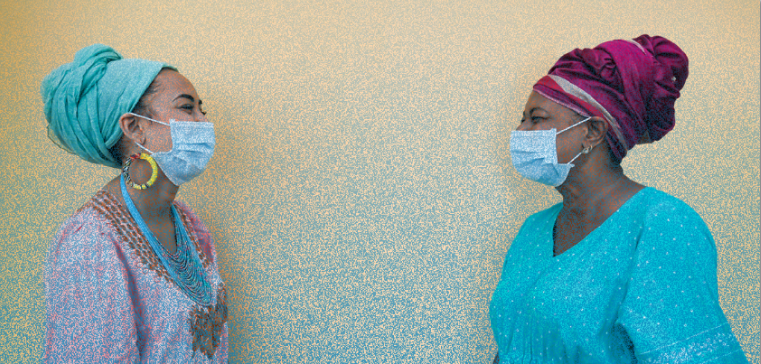
"Timely data and insights into people's changing knowledge, attitudes and behaviours helps to ensure that the response is tailored and adapted to the needs of the population."
Developed by the World Health Organization (WHO) with the support of BBC Media Action, this resource is designed to meet the need to gather and use social and behavioural data, alongside biomedical data, to mount an effective response to the COVID-19 pandemic in Africa. The tool comprises a methodology on how to approach this work, a questionnaire for quantitative data collection, and guidelines and templates for implementation.
The tool aims to support in-country response teams in the WHO African Region, as well as non-governmental organisation (NGOs), universities, or other groups, as they collect data to:
- understand the social and behavioural impacts of COVID-19 on people;
- determine knowledge of, for example, symptoms, actions, transmission, and vaccines and other preventive measures;
- understand barriers to and drivers for taking up recommended behaviours, such as vaccination; and
- support response teams to communicate and engage with populations effectively.
Piloted and validated in Nigeria and Zambia, the questionnaire for quantitative data collection is divided into:
- A "core questionnaire" comprising 37 core questions for capturing data in any country - both locally relevant data and comparable data at regional level; and
- "Thematic modules" comprising 9 optional topics that countries could use, depending on the needs of local response teams.
Once the questions (core and thematic) had been designed and agreed by stakeholders, the information was scripted so that surveys could be carried out either on a mobile phone or face to face.
There are five key phases for implementation, as outlined in the resource:
- Planning: Form a team responsible for the project; identify a vendor, partner, or team to collect the data; define the methods for sampling and data collection; contextualise the questionnaire by consulting with key stakeholders and testing questions with a sample group to ensure clarity, applicability, and cultural sensitivity; and adapt the template protocol and submit it for country ethics approval.
- Quantitative data collection: Collect the data, using the questionnaire(s) described above, and prepare a plan for analysis of the data.
- Data analysis: Enter, clean, and analyse the quantitative data.
- Qualitative data collection: Decide on the topic to be explored in greater depth, and plan for a qualitative investigation (e.g., in-depth interviews or focus groups).
- Reporting and engagement: Hold meetings with all partners to share the findings and discuss the implications for the pandemic response, and share data and findings with the WHO Regional Office for Africa to feed into regional data collection.
52
WHO news release, August 25 2021 - accessed on September 22 2021. Image credit: © Sabrina Bracher / Shutterstock
- Log in to post comments