











































Situational Analysis on SRH/HIV Integration in Zambia
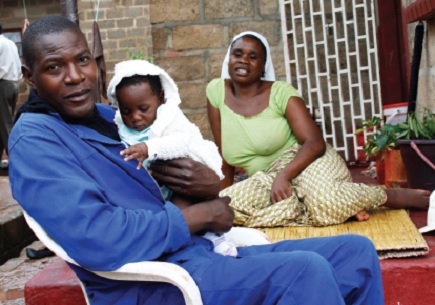
This 34-page report shares findings from a study to better understand the situation related to integrating HIV and sexual and reproductive health (SRH) programming in Zambia. The assessment found that there is some integration of RH and HIV services in Zambia, particularly at public health facilities, and especially within antenatal and post-natal care services, male circumcision services, and family planning services. However, challenges remain as health workers find their workloads increasing in scope, and some facilities struggle with stockouts. Coordination is identified as a key challenge, and there is a need for increased advocacy to encourage integration.
The report is based on a 15-day rapid situation assessment commissioned by SAfAIDS and Youth Vision Zambia, in partnership with Population Action International. The goal of the assessment was to better understand current policies and practices, as well as identify opportunities for advocacy. Integration is considered beneficial, as this allows people to conveniently access services in one place and maximises institutional resources. It also promotes greater response to the reproductive health needs of people living with HIV and other marginalised groups.
The report notes that information on family planning is widely available - "97% of all women and 98.8% of currently married women know at least one contraceptive method. 99% of all men and 99.8% of married men know any contraceptive method. This knowledge is relatively equal both in rural areas as well as in urban areas with 99.8% in urban areas compared to 98.4% in rural areas. People are more knowledgeable about modern family planning methods than they are about traditional methods. Condoms are the commonly mentioned contraceptive followed by pills and then injectables."
Likewise, services are available although more so in urban than rural areas. Yet, "[o]verall, current uptake and use of family planning is low and estimated at 30% which means 70% of women are not using any form of contraceptives. This is significantly lower than neighbouring countries such as Zimbabwe with 58.4% and Swaziland with 47.7%." The low uptake is attributed mostly to traditional beliefs and widespread stock outs of supplies, though it is noted that some respondents indicated that there is less emphasis on family planning, and currently more focus on HIV/AIDS. One respondent stated, “You know in the 1990s everywhere you went you saw a poster, there were lots of radio programmes and community discussions on family planning. Nowadays you rarely see that." Lack of male involvement and poor services for adolescents are also identified as key gaps.
In terms of programming, the report identifies a number of strategic advocacy entry points:
- Creation of Civil Society Coalition for RH and HIV integration: There is a need to bring civil society together to sensitise and create awareness about integration and to build a buy-in coalition of NGOs. "This effort will not only make the RH and HIV integration agenda prominent in CSOs but will also begin to influence possible allocation of resources in a manner that programmes become more horizontal in nature rather than so vertical and independent from each other."
- Coordination between NAC and MoH: There should be better collaboration between The Ministry of Health (MOH) Reproductive Health Unit and the National AIDS Council (NAC), so that the two institutions can work in collaboration to develop RH and HIV integration programmes.
- Male and Adolescent Reproductive Health: Most RH and HIV integration programmes focus on women and children. There is a need to better understand and address male and adolescent reproductive health.
- Creation of an Integration Technical Working Group under the auspices of the Ministry of Health: Such a working group could provide guidance in integration, develop relevant policies, and develop guidelines and strategies for health facilities and CSOS. Such a technical working group should work very closely with other key stakeholders particularly the NAC.
Southern Africa HIV and AIDS Information Dissemination Service (SAfAIDS) website on September 1 2014.
- Log in to post comments