










































Reporting on Torture
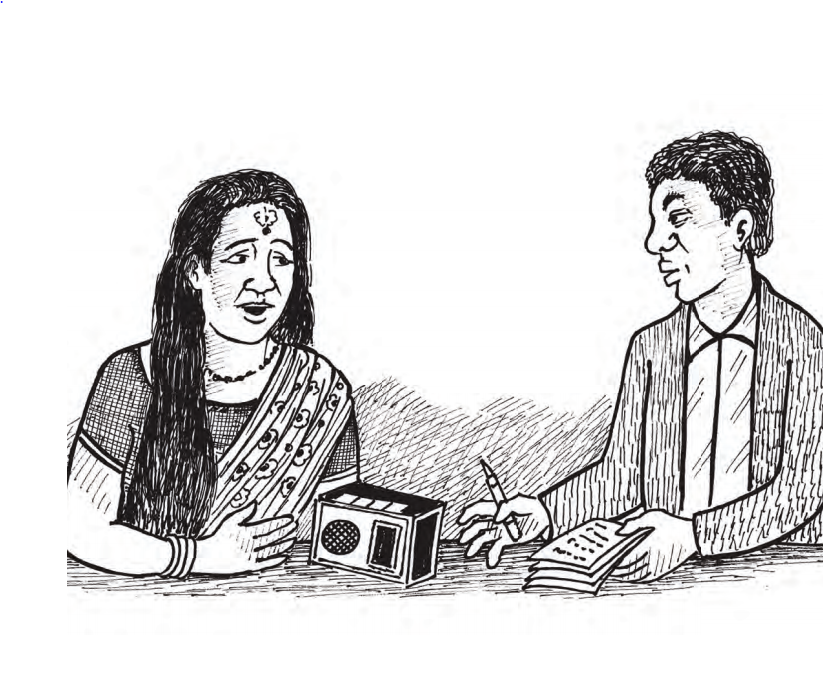
"Through accurate reporting, journalists can increase awareness of the universal prohibition of torture and of the challenges that may be preventing survivors from obtaining justice. Journalists can also provide important insights into the impact of torture on the survivors and their communities."
Launched on the United Nations International Day in Support of Victims of Torture, this handbook provides accurate, up-to-date information and guidance to help journalists cover the subject of torture in detail, regardless of their experience. Reporting on Torture explains states' obligations to prevent, prohibit, and respond to torture allegations. It also details the impact of torture on victims and provides guidance to journalists on minimising the risks they may face when reporting on torture and on how to safely and appropriately interview and interact with torture survivors.
The handbook is authored jointly by 5 human rights organisations working to address the scourge of torture in a range of countries around the world: Advocacy Forum-Nepal (AF), la Coordinadora Nacional de Derechos Humanos in Peru (CNDDHH), the Independent Medico-Legal Unit in Kenya (IMLU), Lawyers for Justice in Libya (LFJL), and REDRESS in the United Kingdom (UK). The handbook is the product of more than 2 decades of experience that the 5 organisations have in interviewing and assisting torture survivors in the areas of litigation, rehabilitation, advocacy, and training.
"The authors of this guide encourage its use to support interviews, research and reporting that is effective but at the same time ethical and sensitive, with the wellbeing of torture survivors taking foremost priority. It is hoped that through increased reporting on this grave international crime, there will be greater public understanding of the seriousness of torture and its impact on survivors. It is also hoped that increased reporting will generate more public resolve to eradicate torture in all its forms, no matter where it happens."
To draw attention to the importance of reporting on torture, the authors planned several events. For example: CNDDHH held a workshop with journalists in June 2016 in Lima, Peru; Advocacy Forum held a journalist reception in Kathmandu in June 2016 to introduce the handbook to attendees alongside the launch of a report on the prevalence of torture in Nepal; IMLU held journalist training workshops in Kenya in July 2016; and LFJL and REDRESS have scheduled a media event later in 2016 in London, UK.
Click here for the handbook in English [PDF].
Click here for the handbook in Arabic [PDF].
Click here for the handbook in Nepalese [PDF].
Click here for the handbook in Spanish [PDF].
English, Arabic, Nepalese, Spanish
60
June 26 2016 press release [PDF]; and email from Eva Sanchis to The Communication Initiative on July 21 2016. Image credit: Omar Daffalla Ahmed
- Log in to post comments