











































Radio Biso na Biso ("Between Us")
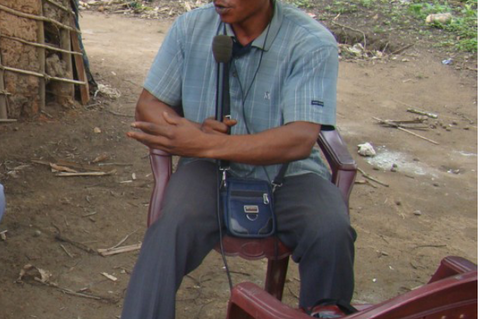
BNB was initiated to give communities a voice in the management of the forest alongside the Congolaise Industrielle du Bois, as well as support the sharing of local languages, cultural diversity, and education. The station broadcasts to the forest region of northern Congo, on 88FM, and works to raise awareness concerning the conservation of resources and also inform people about their rights, health issues, etc. Local community members as well as local and international guests, visit the station to discuss a wide range of issues. Organisers say that thanks to this radio villagers can transmit and present their cultures and traditions.
BNB broadcasts 150 hours per month with an average of 200 productions a month, including investigations, interviews, and music programmes. It is overseen by a local manager, an editorial committee, and a listening committee. Shows are produced and hosted by local populations, for example the Pygmies and the Bantus. They are either community-based reporters in the villages of the region, or hosts / presenters trained by the manager. The station has a broadcast radios of nearly 100kms, and its reach includes border towns in Cameroon and the Central African Republic.
Before the station opened, from September 2008 onwards, the radio's staff members collected sound bites and recordings from the local communities. Content collected and produced by local communities includes stories, reports, portraits, educational programmes on health and hygiene, AIDS awareness, environmental issues, natural resource management, and local music promotion.
Three "trainee" broadcasters were subsequently appointed and trained in the theory and practice of running the radio. Station members are also expected to play an instrumental role in visiting the forest areas, and interacting with people to gather radio content. In order to enable poor and isolated communities to listen to the radio, TFT and its partners have distributed FM and solar dynamo radios to many communities.
In future, Biso na Biso intends to introduce radio dramas. To do this, organisers say the radio hosts will be working with local actors on topics related to the preservation of protected animals and the fight against poaching.
Rural development, Forest management
The Forest Trust was founded in 1999 by six companies trading in garden furniture to help them secure wood from legal and well-managed forests. Since then, their member base has grown to 80 global retailers and manufacturers and TFT projects have expanded to impact 8.5 million hectares of land. They have also established groups for leather and shoe trading, cotton, palm oil and paper.
Congolaise Industrielle des Bois (CIB), The Forest Trust (TFT), Foundation Chirac, and World Bank Development Marketplace.
Voices newsletter (PDF), Fondation Chirac website and The Forest Trust website on May 27, 2011.
- Log in to post comments