










































Queer African Youth Networking Center (QAYN)
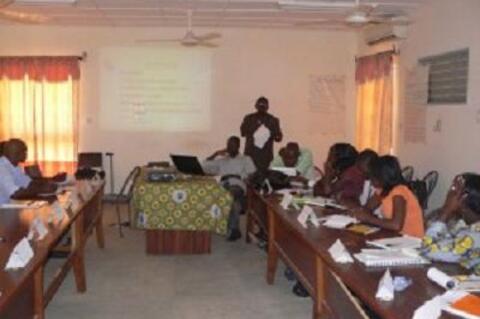
QAYN's ambition is to become the hub for LGBTQ West African youth activists and youth-led organisations. One of its main goals is to develop structures and training to strengthen the capacities of potential youth leaders, particularly lesbians and transgendered women, to become engaged and responsible leaders committed to bringing change in their communities. By accessing a safe and supportive online space, organisers say that youth: develop information sharing and critical thinking skills; use several tools to inform national and international communities about LGBTQ issues in their region; learn how to create and sustain diverse peer groups; build coalitions; and develop skills as grassroots community organisers.
The organisation runs a number of programmes:
Empowering Queer African Youth (EQUAY): QAYN is an advocacy/capacity building programme. This multi-partnership programme has two purposes: to foster open discussion and dialogue on culturally sensitive issues, including gender roles and expression, sexual education, and reproductive health rights; and to train trainers of peer educators to build the leadership and organisational skills of local youth-led initiatives to clearly and convincingly advocate for their interests and needs. Under this programme, the organisation provides safe space designed to empower LGBQ communities to tell their own stories and gathers data on the scope and situation of LGBTQ population in West Africa. In 2012, QAYN released two publications, Survey of Sexual Minorities in Central and West Africa and Struggling Alone: The Lived Realities of Women who have Sex with Women in Burkina Faso, Ghana and Nigeria.
Q-zine, QAYN's e-magazine, online since September 2011, is a bilingual (English and French) quarterly online magazine by, for, and about sexual minority communities in Africa. The publication, run by a pan-African virtual team, aims to provide an inspiring and creative outlet for sexual minority groups and allies to celebrate, debate, and explore the creativity and cultural richness of queer life in Africa. Q-zine's overall goal is to encourage African sexual minority communities to decide for themselves how they should be represented in the media and popular culture. In July 2012, Q-zine will celebrate its first year with a special issue on family, friends, and communities of LGBT Africans.
The Helping Ourselves Together (HOT) programme is a health and wellness programme which aims to build capacity of LGBTI youth peer counsellors to effectively disseminate information on sexual education, gender identity, sexual orientation, substance abuses, and behaviour change, and to mainstream sexual and reproductive health interventions in their communities in West Africa. The programme runs a health blog in partnership with a doctor from San Francisco General Hospital to provide accurate and current health information through bi-monthly blog posts. HOT also includes online health dialogue, peer counsellor training, and condoms, dental dams, pads, and tampons outreach.
The Safe Access to Information (SAI) programme is the organisation's online support initiative, which through groups, forums, toolkits and other online resources enables youth to safely access information and discuss culturally sensitive issues. The programme aims to bring together young people's voices as activists, community organisers, advocates, and human rights defenders to foster co-operation, participation, and learning through experience. Specific projects under SAI include young queer women movement building, online groups, and an online forum.
The QAYN website includes:
- A forum space to promote discussion, debates, networking, and the exchange of useful information;
- A Groups setting (similar to Google and Yahoo Groups);
- Capacity for individual user and group profile creation;
- "Friend-ing" (similar to Facebook);
- A blog space: this space recently began hosting an “in house” doctor, Jennie Orland, MD, who blogs as Dr. Jen on a bi-monthly basis.
It also features a number of action toolkits and resources including information about national and international laws, guides for community organisers, guides to coming out, and a fact sheet around HIV/AIDS and young people. The website is available in English and French.
Lesbian, Gay, Bisexual, Transgender and Intersex (LGBTI), Youth, Health, Human Rights
The QAYN website, October 26 2011, and emails from Mariam Armisen to The Communication Initiative on October 29 2011 and May 7 2012.
- Log in to post comments