










































Pathways to Operationalize Media Self-Regulation in Ethiopia
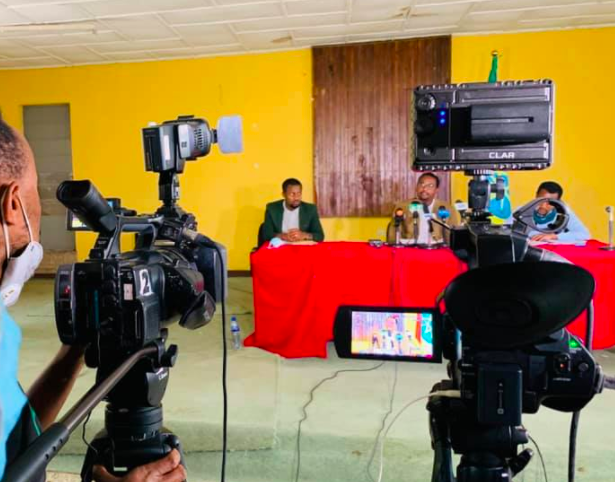
"It is imperative to build a media system in Ethiopia where diversity of views, identities and interests are respected and engrained in public discourse facilitated by a professional and responsible media."
Published by the MERSA Media Institute (MMI) in collaboration with Fojo-International Media Support (IMS), this study investigates what is required to operationalise a media self-regulatory system that will ensure an independent, professional, ethical, and public-interest-responsive media sector in Ethiopia. The study is based on a desk review to benchmark local and other African experiences and key stakeholder interviews. The purpose of the report is to create a better understanding of media self-regulation and the process of establishing the mechanism for all stakeholders involved in the media sector in Ethiopia. It is based on the premise that media self-regulation works best when there is consensus on the operationalisation of self-regulation and "when key actors in the sector agree to form layers of voluntary accountability structures that are operational and credible." As part of an exploration of pathways to operationalising media self-regulation in Ethiopia, the report features six articles written by media executives that offer varied perspectives on the major challenges and recommendations on the way forward.
The report highlights that "strengthening the self-regulatory mechanism in Ethiopia is crucial at this particular time" and outlines the importance of self-regulation in general. Self-regulation, for example, preserves the independence of the media and protects it from partisan government interference. Self-regulatory bodies also try to achieve minimum standards of ethics and professional practice by adopting and enforcing a code of conduct. These codes tend to focus on certain accepted principles, including respect for truth and the right of the public to truth, the right to fair comment and criticism, factual and objective reporting, the use of fair methods to obtain information, the willingness to correct mistakes, and respect for the confidentiality of sources. Codes of practice can also include rules for avoiding conflicts of interests, stating that journalists should not be influenced by commercial considerations, including the interests of advertisers. Media outlets should also establish rules about accepting gifts from companies or payment of costs for the preparation of material.
As explained in the report, efforts by stakeholders in the media sector and international actors to establish a self-regulatory mechanism led to the formation of the Ethiopian Media Council (EMC) in 2016. Since then, more than 50 media organisations have become members of the EMC. However, the self-regulatory body is still struggling to become fully operational and is not in a position to effectively enforce its codes of conduct, investigate complaints, and guarantee a mechanism for public accountability.
With ongoing comprehensive policy, legal, and administrative reform in Ethiopia helping to create an enabling environment, the media sector is making increased efforts towards creating a self-regulatory mechanism. However, "The fundamental question of how to operationalise a robust and functional self-regulatory mechanism for the media sector, which had been systematically weakened by decades of authoritarian control, remains a challenge. Strong state regulation and repression are etched in the institutional memory of media organizations. The difficult task of safeguarding public trust is further complicated by continued political ownership of the sector. Even though the new media proclamation prohibits political ownership of the media, in practice, Ethiopia's government is a majority shareholder in the news business followed by its political opponents who also finance, run, and operate media outlets directly or indirectly."
To assist in the process of realising a functioning system, the report outlines some of the key challenges and opportunities affecting the functioning of the EMC and lists agreed-on priority areas for mutual cooperation and action over the next year. Challenges include, for example, a lack of clarity and consensus on the vision, mission, and values of the EMC and the failure to build stakeholder consensus and ownership. Opportunities include an enabling legal and policy environment and an expanding membership base. Action areas include operationalising effective complaint handling procedures, holding annual meetings, enforcing rule of law and succession policy, and implementing institutional capacity building.
To explore some of the challenges and opportunities further, the report includes the following collection of articles written by key stakeholders:
- Ethiopian Media Council: The Long and Arduous Journey - by Sebsibe Kebede, EMC executive director
- Complaints Are Plentiful but the Workers Are Few: Reflections on Media Self-Regulation in Ethiopia - by Getachew Dinku, former Director of Ethiopian Broadcast Authority
- Media Self-Regulation: Misplaced Priorities, Missed Opportunities - by Tamrat G. Giorgis, managing editor of Addis Fortune
- Media Self-Regulation in Ethiopia: Bottom-up Approach - by Fasika Tadesse and Asrat Seyoum, Editors Guild of Ethiopia
- Media Regulation Ethiopia: Lessons from Elsewhere - by Haron Mwangi, former executive director of the Media Council of Kenya
In conclusion, the report offers a list of recommendations that focus on what different stakeholders could do to improve the media situation in Ethiopia. It recommends, for example, that EMC leaders assist in the creation of independent journalist associations that represent the interest of journalists in the council, and that they resist external pressure to influence the roles or functions of the body. Media associations should be strengthened to offer a more meaningful contribution to professionalism in the media and to become better stewards of professional standards and self-governance. Journalism schools and media professional training institutes should, for example, develop new programmes to enhance the capacity of media workers and work to determine training needs and knowledge gaps in the media sector. Recommendations for donors include assisting or supporting the development of a self-regulating mechanism and assisting the EMC to function independently as a sector-wide self-regulatory body. The government, on the other hand, should allow the media the space to thrive, focus on professionalising public media, and ensure that state-funded and party-affiliated media operate professionally.
MERSA Media institute is a media think tank in Ethiopia that works to create a vibrant, responsible, and independent media sector through research, capacity-building, and institutional support. MERSA believes that free and independent media are lifelines to the development of peaceful, prosperous, and democratic societies.
Click here for the Amharic version of the report (56 pages, PDF).
Fojo Media Institute website on November 10 2021. Image credit: MMI
- Log in to post comments