










































PACE (Policy, Advocacy, and Communication Enhanced for Population and Reproductive Health) Project
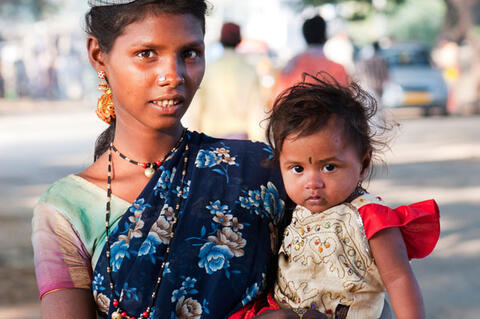
Implemented by the Population Reference Bureau (PRB) starting in November 2015, the 5-year PACE (Policy, Advocacy, and Communication Enhanced for Population and Reproductive Health) project focuses on ensuring that family planning and population issues are central to development policies, programmes, and commitments in countries where the United States Agency for International Development (USAID) is active.
PRB is working with global actors, national and local governments, and non-governmental partners to: strengthen capacities in advocacy, policy communication, and negotiation; increase commitments to integrated population, health, environment, climate change, resilience, food security, livelihoods, and security programmes; and analyse, synthesise, and disseminate information and data to engage policy and advocacy audiences to act. Specifically, PACE focuses on:
- Empowering communities: PACE seeks to connect and galvanises policy communities that cut across subject areas and sectors through actions such as:
- PACE's Population, Health, and Environment (PHE) programme, through which PRB conducts research and analysis, fosters dialogue, and increase commitments to multisectoral population dynamics, health, and environment issues among policymakers and implementers. Findings are produced in non-technical language in a variety of formats in order to reach a broad base. For example, this revised PHE eLearning course is designed to help those interested in integrated approaches to development understand how and why the PHE approach is an effective way for countries to achieve the Sustainable Development Goals (SDGs) and a means of increasing equity for family planning and health services in remote communities. PRB also published a PHE toolkit, described as "the encyclopedia of PHE knowledge to date". An interactive PHE activity map highlights the diverse efforts of organisations working to integrate primary and reproductive health services with environmental conservation and natural resource management projects and programmes. There have also been a number of PACE webinars focused on PHE issues, such as "Linking Reproductive Health, Sustainable Development, and Conservation": The Population & Sustainability Network (PSN) and other partner organisations shared insights and discussed how PSN advocates for family planning to benefit conservation and sustainable development.
- The Gender Communities of Practice area involves informing gender communities on critical gender equity, family planning, and reproductive health topics and approaches through publications, events, and electronic outreach.
- PACE also works to disseminate key messages to and work with youth to make their voices heard on family planning/reproductive health and development issues around the world.
- PACE's policy communication and media training programmes aim to build local capacity by expanding the roster of advocacy and policy champions and producing strong cadres of journalists who educate and motivate supporters. For example, PACE has created a catalog of resources to help guide advocates in communicating to local officials who may have limited understanding of family planning and its relevance to broader development objectives. PACE's Media Toolkit and Policy Toolkit can be accessed at the Related Summaries link, below.
- PACE conducts analyses and produces evidence-based materials that seek to communicate clearly to policymakers at all levels and across diverse geographies, targeting messages and products using social media analysis tools to enhance digital communications. Examples include PRB's annual World Population Data reports, policy brief/reports that explore complex, wide-ranging population topics and present them in what are intended to be easily digestible formats and language, and multimedia such as infographics.
PACE's Kenya country project is described on its website.
Family Planning, Reproductive Health, Population, Environment
"PRB Selected to Implement USAID PACE Project", November 16 2015, and PACE website - both accessed on February 10 2017. Image credit: Tim Gainey / Alamy Stock Photo
- Log in to post comments