











































One Youth Can: Facilitator's Guide and Workbook
Image
SummaryText
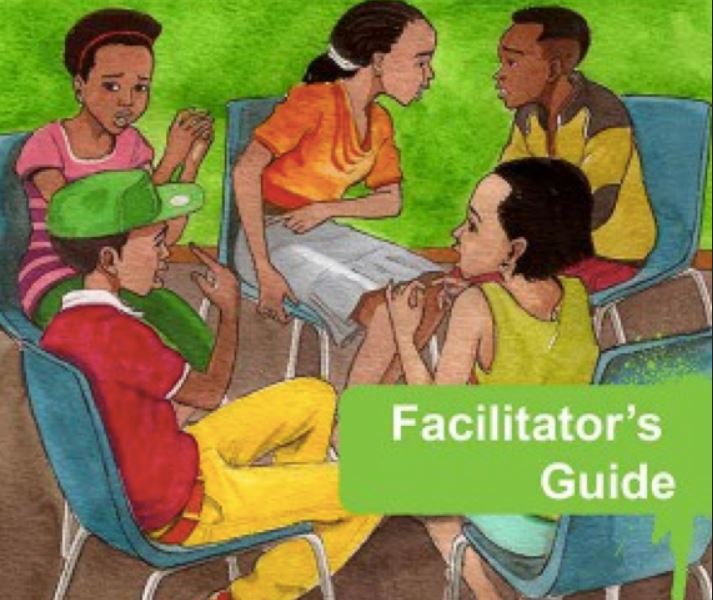
Published by Sonke Gender Justice, this facilitator’s guide and accompanying participant workbook are intended to be a resource for those working with youth on issues of citizenship, human rights, gender, health, sexuality and violence. They were specifically developed for the One Youth Can Campaign, which "aims to help boys and girls choose not to use violence and to rather choose to live in equal relationships with males and females. In other words, it aims to help youth “break the gender rules” and end violence of any kind, but especially gender-based violence, in our society." The materials seek to help youth take action in their own lives and in their communities to promote healthy relationships based on a commitment to gender equality and to supporting females to achieve their rights to health, happiness and dignity.
The activities in the guide and workbook are designed to encourage youth to reflect on their own experiences, attitudes, and values regarding sexuality, gender, and what it means to be a boy/man or girl/woman. They encourage youth to take action to help prevent domestic and sexual violence, reduce the spread and impact of HIV and AIDS, and promote gender equality.
The guide includes of the following contents:
The activities in the guide and workbook are designed to encourage youth to reflect on their own experiences, attitudes, and values regarding sexuality, gender, and what it means to be a boy/man or girl/woman. They encourage youth to take action to help prevent domestic and sexual violence, reduce the spread and impact of HIV and AIDS, and promote gender equality.
The guide includes of the following contents:
- Workshop one: Who are you on the outside?
- Workshop two: Who are you on the inside?
- Workshop three: Shifting power lines
- Workshop four: Facing crossroads, challenges and choices
- Workshop five: The sacred sexual and reproductive body
- Workshop six: Creating healthy relationships
- Workshop seven: Creating a healthy relationship with self
- Workshop eight: Considering sexual orientation
- Workshop nine: Breaking the cycle: gender-based violence
- Workshop ten: Breaking the cycle: gender, SRHR (sexual and reproductive health and rights) and human rights (part 1)
- Workshop eleven: Breaking the cycle: gender, SRHR and human rights (part 2)
- Workshop twelve: The call to action
Publishers
Languages
English
Number of Pages
88
Source
Sonke Gender Justice website on March 1 2016.
PDFLink
- Log in to post comments