











































MamaYe Campaign
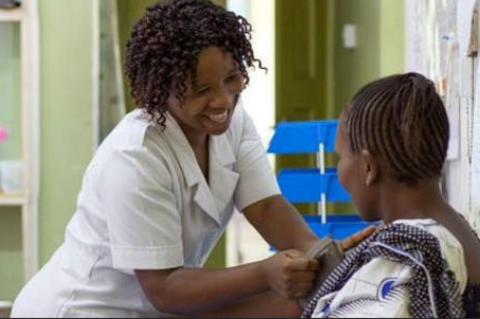
MamaYe is a campaign designed to change the expectations of Africans in six countries in relation to pregnancy and childbirth – away from fatalism and towards hope and survival. The campaign is working to improve maternal and newborn survival by sharing evidence, undertaking advocacy, and holding those responsible for maternal survival to account. MamaYe will also showcase solutions and success - and promote individuals and organisations that have worked selflessly to save the lives of mothers and babies. MamaYe is initiated by Evidence for Action, a multi-year programme to improve maternal and newborn survival in sub-Saharan Africa, funded by the United Department for International Development.
MamaYe is working to empower people with information and evidence to question, analyse, compare, understand, challenge, and act for positive change. It is a campaign to change maternal survival from a side-issue to political priority, and to turn best guesses into hard facts. This includes advancing mother and neo-natal health through improved training and supervision, client-provider partnerships, and use of evidence to inform decision making processes at district and national levels. In addition, the campaign celebrates the many individuals and organisations across Africa who work tirelessly to make pregnancy and childbirth safer, so that others can be encouraged and inspired to do the same.
MamaYe uses evidence to engage the African public in the survival of mothers and newborns in six countries: Ghana, Malawi, Nigeria, Sierra Leone, Tanzania & Ethiopia. Each country has a Mamaye digital platform for maternal and newborn health stakeholders to be educated, empowered, and united in their efforts. The websites feature the latest in news, research, and development, as well as information about the MamaYe campaign and how people can get involved. Information about the work in each country and links to their individual websites are available on the country pages on the general MamaYe website .
The campaign is also training journalists to report on maternal health. The training is designed to empower journalists to use evidence and communications to create balanced reports on maternal and newborn survival. The workshops focus on better understanding of maternal and newborn health terminology and data, creative writing, and the role of media as powerful advocates on social issues. According to MamaYe, the media can play an important role in stimulating conversations around women’s access to safe clinics, more use of safe health clinics, and more funding required ensuring that clinics are safe.
Maternal Health
Options, the Centre for Global Health, Population, Poverty & Policy, University College London, The London School of Hygiene & Tropical Medicine Institute for Global Health, Advocacy International, and Immpact.
MamaYe website and Government of Ghana websiteon June 11 2013.
- Log in to post comments