










































Malaria Control and Evaluation Partnership in Africa (MACEPA)
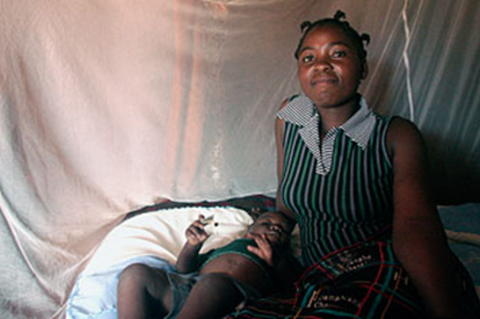
According to PATH, countries that have achieved high impact on malaria reduction have the potential to eliminate malaria altogether. MACEPA is developing an evidence-based framework to guide countries through a comprehensive set of programme interventions to elimination. Partners work through a cycle of planning, alignment of resources, coordinated implementation, and monitoring and evaluation to scale up and then maintain malaria control and prevention. Based on lessons learned from work with national partnerships, MACEPA develops guidance, as well as documents progress, gaps, and opportunities in programme implementation. In addition, MACEPA tracks donor resources to support global efforts to advocate for increased financing of national malaria programmes.
PATH says that to be effective, this strategy requires a well-documented base of experience from national programmes. MACEPA is working to build systems and processes to improve access to and quality and consistency of data for decision-making. Countries with strong data systems can better track malaria infections and prioritise programme action. They can also make more informed decisions about coverage gaps and impact, information that can help inform policies and secure continued funding.
MACEPA works with national programmes and their partners to: identify monitoring and evaluation needs, gather essential information, and use that information to inform subsequent planning cycles. MACEPA is actively involved with the RBM Monitoring and Evaluation Reference Group at the global level and with national programmes to support the development of strong monitoring and evaluation plans, to undertake malaria indicator surveys, to strengthen sentinel sites for reporting, and to strengthen national health and management information systems. MACEPA is also supporting Zambia in strengthening staff capacities in terms of technical infrastructure and data collection, management, and analysis.
In addition, MACEPA works with national programmes and their partners to build advocacy and communications capacity, assess needs, and strategically focus activities to reinforce malaria control interventions at the local, sub-national, and national levels. MACEPA supports advocacy to ensure ongoing support at all levels for malaria control programmes' ambitious, impact-focused efforts. This includes working to build systems and processes to improve access to and quality and consistency of data for decision-making. Countries with strong data systems in place can better track malaria infections and prioritise programme action, while leveraging information about coverage gaps and impact to inform policymaking and secure continued funding.
In December 2010, MACEPA started publishing a quarterly newsletter, Fighting Malaria Together. Developed with input from subscribers, the newsletter is a intended to be a platform for sharing the latest news, research, tools, and events dedicated to controlling malaria. It includes a range of voices from experts working at the global, national, and local levels. Articles are grouped by topic: planning, resourcing, implementing, monitoring and evaluation, and advocacy and policy.
Malaria
According to MACEPA, countries using the MACEPA approach have experienced significant decreases in malaria illness and death in just two to three years. Since 2000, rates of childhood death due to malaria have dropped by 20% in the countries that have adopted aggressive malaria control. An estimated 300,000 children were saved from dying from malaria in 2010 alone. MACEPA supported Zambia to conduct national malaria indicator surveys in 2006, 2008, and 2010. Results from the first two surveys demonstrated dramatic impact: nearly two-thirds of households in the country are covered by either a bednet or indoor residual spraying. In 2009, Zambia announced that malaria deaths reported by health facilities had declined by 66%.
PATH website, Fighting Malaria Today and Tomorrow [PDF], and email from Laura Newman on November 8 2011.
- Log in to post comments